AI-Native 6G Revolution: Supply-Chain Strategies from 5G-Advanced
상품코드:1952844
리서치사:TrendForce
발행일:2026년 01월
페이지 정보:영문 15 Pages
라이선스 & 가격 (부가세 별도)
한글목차
6G의 도래는 완전히 AI 네이티브 네트워크 아키텍처로의 근본적인 전환을 의미하며, 통신 기술과 시장 구조를 모두 재구성할 것입니다. 5G-Advanced에 비해 6G 설계는 에너지 효율(비트 당 에너지로 측정)을 훨씬 더 중시하고, C-RAN과 O-RAN 간의 새로운 분업, GaN 및 SiC 재료의 광범위한 채택, 광 및 전자 상호 연결 기술의 더 깊은 통합을 촉진합니다.
AI는 RAN 제어, 빔 관리, 스케줄링 최적화, 스펙트럼 할당에서 점점 더 핵심적인 역할을 하기 시작했습니다. 동시에 AIN, Ga2O3, 다이아몬드와 같은 신흥 재료는 현재 주류 반도체의 성능 한계를 뛰어넘을 수 있는 가능성을 보여주고 있습니다. 기술 발전과 상업적 요구가 결합하여 6G 시대의 경쟁 역학을 재구성하고, Industry 5.0, 자율주행, 스마트 헬스케어, AI 에이전트에 걸친 고부가가치 시장을 개발하고 있습니다.
주요 하이라이트
AI 네이티브 6G 아키텍처로의 전환: 6G는 네트워크 제어, 빔 관리, 스펙트럼 할당에 AI 통합을 강조하고, 대역폭 중심 설계에서 에너지 효율 설계로 전환합니다. 이를 통해 자율주행, 스마트 헬스케어 등의 용도를 위한 엣지 컴퓨팅과 자동 최적화를 실현합니다.
AI의 도전과 필요성: 엣지 기반 데이터 생성 및 AI 추론은 이질성과 트래픽 비대칭성의 병목현상을 드러내며, 확장성을 위해 아키텍처 재설계가 필수적입니다.
신흥 재료의 가능성: AlN, Ga2O3, 다이아몬드는 우수한 열전도율과 내압 특성을 제공하며, RF 디바이스, 전력 디바이스, 가혹한 환경에서의 응용에 대한 발전이 기대됩니다.
목차
제1장 AI 시대의 통신 보틀넥과 6G의 필연성
제2장 WBG와 III-V족 재료 혁명 : 6G의 물리적 기반 구축
제3장 TRI의 견해
KSA
영문 목차
영문목차
The arrival of 6G marks a fundamental shift toward fully AI-native network architectures, reshaping both communications technologies and market structures. Compared with 5G-Advanced, 6G design places a much stronger emphasis on energy efficiency-measured as energy per bit-driving a new division of labor between C-RAN and O-RAN, broader adoption of GaN and SiC materials, and deeper integration of photonic and electronic interconnect technologies.
AI is becoming increasingly central to RAN control, beam management, scheduling optimization, and spectrum allocation. At the same time, emerging materials such as AIN, Ga2O3, and diamond are demonstrating significant potential to surpass the performance limits of today's mainstream semiconductors. Together, technological advances and commercial imperatives are jointly reshaping competitive dynamics in the 6G era, unlocking high-value markets spanning Industry 5.0, autonomous driving, smart healthcare, and AI agents
Key Highlights
Shift to AI-Native 6G Architecture: 6G emphasizes AI integration in network control, beam management, and spectrum allocation, moving from bandwidth-focused to energy-efficient designs, enabling edge computing and automated optimization for applications like autonomous driving and smart healthcare.
AI-Driven Challenges and Necessity: Edge-based data generation and AI inference expose bottlenecks in heterogeneity and traffic asymmetry, making architectural redesign essential for scalability.
Emerging Materials Potential: AlN, Ga2O3, and diamond offer superior thermal conductivity and breakdown fields, promising advancements in RF, power devices, and extreme environments.
Table of Contents
1. Communication Bottlenecks in the AI Era and the Inevitability of 6G
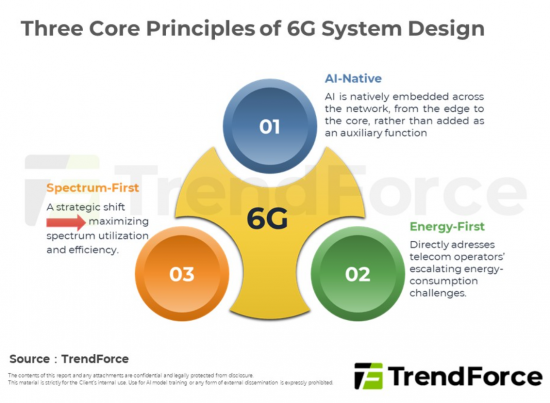
Figure 1: Three Core Principles of 6G System Design
2. The WBG and III-V Materials Revolution: Laying the Physical Foundation for 6G
Table 1: Energy Efficiency Assessment of Semiconductor Materials Across Cross-Domain Applications
Figure 2: Technical and Performance Analysis of SiGe and CMOS in Advanced mmWave Transceivers
Figure 3: Changes in Power Consumption and Antenna Count in Transmitter Architectures Using CMOS, SiGe, and InP