


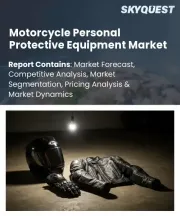
세계의 오토바이용 개인보호장비(PPE)(PPE) 시장 규모는 2024년에 68억 8,000만 달러로 평가되었고, 2025년 73억 달러에서 2033년까지 117억 2,000만 달러로 성장할 전망입니다. 또한 예측 기간(2026-2033년) CAGR은 6.1%를 나타낼 것으로 예측됩니다.
세계 오토바이용 개인보호장비(PPE)(PPE) 시장은 출퇴근, 상업용, 레저 등 다양한 라이더 계층을 위해 설계된 헬멧, 보호장갑, 장갑, 부츠, 에어백 시스템 등 다양한 제품군이 특징입니다. 많은 지역에서 오토바이가 주요 교통수단인 만큼, 높은 부상률은 규제 노력과 안전 대책 강화에 대한 소비자 수요를 촉진하고 있습니다. 이 분야는 기본적인 가죽 장비에서 스마트 기술을 탑재한 고도의 인증된 안전 장비로 크게 진화하고 있습니다. IoT의 통합은 실시간 충돌 감지, 스마트 에어백 전개, 원격 경고를 통해 안전성을 향상시켜 시장 성장을 견인하고 있습니다. 전자상거래도 중요한 역할을 하고 있으며, 인증 제품에 대한 광범위한 접근을 가능하게 하는 동시에 소비자가 고품질 보호 장비에 대한 투자 의욕을 높이는 데 기여하고 있습니다.
세계 오토바이 개인보호구(PPE) 시장 성장 촉진요인
라이더의 안전에 대한 인식이 높아지면서 오토바이 분야의 개인보호구(PPE)에 대한 수요가 크게 증가하고 있으며, 라이더들은 헬멧, 재킷, 장갑, 부츠 등 부상 위험을 최소화하기 위한 필수 장비에 주목하고 있습니다. 다양한 캠페인과 커뮤니티 토론을 통해 안전에 대한 교육이 확대됨에 따라, 소비자들은 인증된 고품질 장비를 찾는 경향이 강해지고 있습니다. 이러한 소비자 행동의 변화는 제조업체들이 제품의 기능성, 편안함, 내구성을 향상시켜 초보자부터 숙련된 라이더까지 시장에서의 수용성을 넓혀가고 있습니다. 결과적으로 이러한 구매 우선순위의 변화는 전문 소매점 및 주류 소매점을 통한 유통 확대와 함께 업계의 R&D 투자를 촉진하고 있습니다.
세계 오토바이 개인보호구(PPE) 시장 성장 억제요인
고급 개인보호구(PPE)의 높은 비용은 예산을 중시하는 라이더가 우수한 안전 장비에 대한 투자를 주저하게 만드는 요인으로 작용하여 시장의 전반적인 성장을 저해하고 교체 주기를 지연시킬 수 있습니다. 고급 헬멧이나 의류가 기본 모델에 비해 비싸다고 인식될 경우, 가격에 민감한 계층의 소비자들은 보호 기능이 강화된 제품보다 저렴한 제품을 선택하는 경향이 있습니다. 이는 결과적으로 고수익 제품에 대한 수요를 제한합니다. 이러한 경제적 장벽은 특히 구매력이 제한된 지역에서 제조업체와 소매업체가 비용 회수 및 접근성 확보의 필요성에 직면하여 혁신적인 소재와 기술을 광범위하게 도입하는 데 어려움을 겪고 있습니다.
세계 오토바이 개인보호구(PPE) 시장 동향
세계 오토바이 개인보호구(PPE) 시장은 라이더의 안전과 연결성을 강화하는 통합형 안전 장비로 크게 전환하고 있습니다. 소비자들은 보다 인사이트이 깊어지고, 전통적인 보호 기능과 센서, 차량 및 스마트폰과의 연결성 등 첨단 기술이 결합된 제품을 선호하는 경향이 있습니다. 이러한 추세는 충돌 감지 및 위치 정보 공유뿐만 아니라 촉각 및 시각적 신호로 실시간 경보를 제공하는 혁신적인 디자인을 촉진하고 있습니다. 제조업체와 기술 기업과의 협력을 통해 경량 전자 부품의 개발이 진행되고 있으며, 새로운 애프터서비스 및 소프트웨어 중심의 차별화가 가능해졌습니다. 이를 통해 기존의 보호 기능을 넘어 라이더의 안전과 상황 인식 능력을 향상시켰습니다.
Global Motorcycle Personal Protective Equipment Market size was valued at USD 6.88 Billion in 2024 and is poised to grow from USD 7.3 Billion in 2025 to USD 11.72 Billion by 2033, growing at a CAGR of 6.1% during the forecast period (2026-2033).
The global motorcycle personal protective equipment (PPE) market is characterized by a diverse range of products, including helmets, armored jackets, gloves, boots, and airbag systems designed for various rider segments such as commuting, commercial, and leisure. With motorcycles as a predominant mode of transportation in numerous regions, the high rates of injuries fuel both regulatory initiatives and consumer demand for enhanced safety measures. This sector has advanced significantly, moving from basic leather gear to sophisticated, certified safety equipment featuring smart technologies. The integration of IoT enhances safety through real-time crash detection, smart airbag deployment, and remote alerts, bolstering market growth. E-commerce also plays a crucial role, enabling broader access to certified products while advancing consumer willingness to invest in premium protective gear.
Top-down and bottom-up approaches were used to estimate and validate the size of the Global Motorcycle Personal Protective Equipment market and to estimate the size of various other dependent submarkets. The research methodology used to estimate the market size includes the following details: The key players in the market were identified through secondary research, and their market shares in the respective regions were determined through primary and secondary research. This entire procedure includes the study of the annual and financial reports of the top market players and extensive interviews for key insights from industry leaders such as CEOs, VPs, directors, and marketing executives. All percentage shares split, and breakdowns were determined using secondary sources and verified through Primary sources. All possible parameters that affect the markets covered in this research study have been accounted for, viewed in extensive detail, verified through primary research, and analyzed to get the final quantitative and qualitative data.
Global Motorcycle Personal Protective Equipment Market Segments Analysis
Global motorcycle personal protective equipment market is segmented by product type, material, price range, end-user, distribution channel and region. Based on product type, the market is segmented into Helmets, Jackets, Gloves, Pants, Boots and Others. Based on material, the market is segmented into Leather, Textile/Fabric, Kevlar/Aramid, Polycarbonate/Plastic, Rubber and Others. Based on price range, the market is segmented into Premium, Mid-Range and Economy. Based on end-user, the market is segmented into Professional Riders, Casual/Commuter Riders, Racing Enthusiasts, Touring Riders and Others. Based on distribution channel, the market is segmented into Online and Offline. Based on region, the market is segmented into North America, Europe, Asia Pacific, Latin America and Middle East & Africa.
Driver of the Global Motorcycle Personal Protective Equipment Market
The rising awareness of rider safety has significantly driven the demand for personal protective equipment in the motorcycle sector, leading riders to focus on essential gear such as helmets, jackets, gloves, and boots that minimize the risk of injury. As education regarding safety increases through various campaigns and community discussions, consumers are now more inclined to seek out certified and higher-quality gear. This shift in consumer behavior encourages manufacturers to improve their products' features, comfort, and durability, thereby broadening market acceptance among both novice and experienced riders. Consequently, this change in purchasing priorities bolsters industry investment in research and development while expanding distribution through specialized and mainstream retail channels.
Restraints in the Global Motorcycle Personal Protective Equipment Market
High costs associated with advanced personal protective equipment can discourage budget-conscious riders from investing in superior safety gear, thus hampering the market's overall growth and slowing down replacement cycles. When premium helmets and apparel are viewed as pricey compared to basic options, consumers in price-sensitive segments tend to favor lower-priced items over those with enhanced protective features, which ultimately limits demand for higher-margin products. This financial obstacle also makes it challenging to launch innovative materials and technologies on a wider scale, as manufacturers and retailers grapple with the need to recover costs while ensuring accessibility, particularly in areas with restricted purchasing power.
Market Trends of the Global Motorcycle Personal Protective Equipment Market
The Global Motorcycle Personal Protective Equipment market is witnessing a significant shift towards integrated safety gear that enhances rider safety and connectivity. Consumers are becoming more discerning, favoring products that combine traditional protective features with advanced technology, such as sensors and connectivity to vehicles and smartphones. This trend is fostering innovative designs that not only provide crash detection and location sharing but also deliver real-time alerts through haptic or visual cues. Collaborations between manufacturers and tech companies are driving the development of lightweight electronic components, enabling new aftersales services and software-driven differentiations that elevate rider safety and situational awareness, transcending conventional protection.