


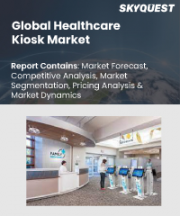
세계의 헬스케어 키오스크 시장 규모는 2024년에 14억 7,000만 달러로 평가되며, 2025년 16억 7,000만 달러에서 2033년까지 45억 3,000만 달러로 성장할 전망입니다. 예측 기간(2026-2033년)의 CAGR은 13.3%로 예측됩니다.
세계 헬스케어 키오스크 시장은 의료 서비스에 대한 편리한 접근에 대한 수요 증가를 배경으로 괄목할 만한 성장을 거듭하고 있습니다. 병원이나 의료시설 근처에 전략적으로 설치된 이 키오스크는 처방전 보충, 예방접종, 건강검진 등 중요한 서비스를 제공합니다. 또한 체크인 시스템, 접근 제한 관리, 환자 포털, 내비게이션 지원 등의 디지털 솔루션을 통합하여 환자 경험을 향상시킵니다. 키오스크는 의료진의 부담을 덜어줌으로써 의료진이 환자 치료에 더 집중할 수 있게 해줍니다. 기술 혁신은 이 분야를 더욱 변화시키고 있으며, 대규모 시설내 이동을 돕는 안내 키오스크 등의 기능이 도입되고 있습니다. 이러한 인터랙티브하고 사용하기 쉬운 키오스크는 안심과 안전을 촉진하고 스트레스가 많은 환경에서 환자 경험을 크게 개선합니다.
세계 의료용 키오스크 시장 성장 촉진요인
의료용 키오스크 시장은 5G 기술과 통합된 캐시리스 키오스크의 등장으로 큰 변화를 겪고 있습니다. 이러한 발전은 Apple Pay, Android Pay와 같은 인터넷 기반 결제 솔루션의 도입을 촉진하여 거래의 편의성을 높일 뿐만 아니라 기존의 직불카드나 신용카드에 대한 의존도를 낮추고 있습니다. 이를 통해 환자들은 가까운 ATM을 찾는 번거로움을 덜고, 의료 서비스 이용 과정을 보다 효율적으로 이용할 수 있습니다. 이러한 결제 시스템의 진화는 의료 현장에서 보다 간소화된 사용자 친화적인 경험을 실현할 수 있도록 하고 있습니다.
세계 의료용 키오스크 시장 성장 억제요인
세계 의료용 키오스크 시장은 이러한 장치와 관련된 보안 취약점으로 인해 심각한 문제에 직면해 있습니다. 항상 인터넷로 연결되어 있고, 현금 없는 거래를 가능하게 하는 특성상 키오스크는 사이버 공격과 데이터 유출의 위험에 노출되어 있습니다. 이러한 보안 우려는 사용자들의 신뢰를 떨어뜨리고 도입을 저해할 수 있으며, 궁극적으로 시장 전체의 성장 가능성을 저해할 수 있습니다. 이러한 위험을 줄이기 위해서는 강력한 보안 조치와 프로토콜의 필요성이 매우 중요합니다. 왜냐하면 모든 침해 사례는 프로바이더와 환자 모두에게 해로운 결과를 초래할 수 있고, 나아가 시장의 확대와 지속가능성에 영향을 미칠 수 있기 때문입니다.
세계 의료용 키오스크 시장 동향
세계 의료용 키오스크 시장에서는 백엔드 사무 시스템과 환자의 전자건강기록(EHR)에 대한 액세스를 원활하게 통합하는 추세가 두드러지게 나타나고 있습니다. 이 통합을 통해 환자는 자신의 건강 정보를 직접 교환하고, 예약을 예약하고, 최소한의 직원 개입으로 거래를 처리할 수 있으며, 의료 서비스 제공의 효율성을 높일 수 있습니다. 의료 서비스 프로바이더들이 환자 참여와 업무 효율성에 점점 더 많은 관심을 기울이고 있는 가운데, 첨단 기술이 적용된 키오스크는 개인화된 의료 서비스를 제공하고 환자 경험을 개선하는 데 필수적인 툴로 자리 잡고 있습니다. 이러한 진화는 업무 효율성을 높일 뿐만 아니라, 소비자층의 디지털 헬스 솔루션에 대한 수요 증가와도 부합합니다.
Global Healthcare Kiosk Market size was valued at USD 1.47 Billion in 2024 and is poised to grow from USD 1.67 Billion in 2025 to USD 4.53 Billion by 2033, growing at a CAGR of 13.3% during the forecast period (2026-2033).
The global healthcare kiosk market is witnessing significant growth, driven by the increasing demand for convenient access to healthcare services. Strategically positioned near hospitals and healthcare facilities, these kiosks offer essential services such as prescription refills, vaccinations, and health screenings. They also enhance the patient experience by incorporating digital solutions like check-in systems, restricted access management, patient portals, and navigation assistance. By alleviating some of the burdens on healthcare staff, kiosks enable providers to focus more on patient care. Technological innovations are further transforming this sector, with features like wayfinding kiosks that improve navigation within large facilities. These interactive, user-friendly kiosks promote a sense of well-being and safety, significantly enhancing the patient experience in high-stress environments.
Top-down and bottom-up approaches were used to estimate and validate the size of the Global Healthcare Kiosk market and to estimate the size of various other dependent submarkets. The research methodology used to estimate the market size includes the following details: The key players in the market were identified through secondary research, and their market shares in the respective regions were determined through primary and secondary research. This entire procedure includes the study of the annual and financial reports of the top market players and extensive interviews for key insights from industry leaders such as CEOs, VPs, directors, and marketing executives. All percentage shares split, and breakdowns were determined using secondary sources and verified through Primary sources. All possible parameters that affect the markets covered in this research study have been accounted for, viewed in extensive detail, verified through primary research, and analyzed to get the final quantitative and qualitative data.
Global Healthcare Kiosk Market Segments Analysis
Global Healthcare Kiosk Market is segmented by Product Type, End-User and region. Based on Product Type, the market is segmented into Electronic Medical Record Management, Telemedicine Kiosks, Informative Kiosks, Check-in Kiosks, Wayfinding Kiosks and Others. Based on End-User, the market is segmented into Clinics, Hospitals, Laboratories, Pharma Stores and Others. Based on region, the market is segmented into North America, Europe, Asia Pacific, Latin America and Middle East & Africa.
Driver of the Global Healthcare Kiosk Market
The healthcare kiosk market is experiencing a significant transformation driven by the rise of cashless kiosks integrated with 5G technology. This advancement is facilitating the incorporation of internet-based payment solutions like Apple Pay and Android Pay, which not only enhance the convenience of transactions but also reduce the reliance on traditional debit and credit card methods. As a result, patients no longer face the inconvenience of searching for nearby ATMs, making the process of accessing healthcare services more efficient. This evolution in payment systems is paving the way for a more streamlined and user-friendly experience in healthcare settings.
Restraints in the Global Healthcare Kiosk Market
The global healthcare kiosk market faces significant challenges due to security vulnerabilities associated with these devices. Being constantly connected to the internet and facilitating cashless transactions exposes kiosks to high risks of cyberattacks and data breaches. These security concerns can undermine user trust and deter adoption, ultimately hindering the overall growth potential of the market. The necessity for robust security measures and protocols becomes crucial to mitigate these risks, as any incidents of compromise could lead to detrimental consequences for both providers and patients, thereby impacting the market's expansion and sustainability.
Market Trends of the Global Healthcare Kiosk Market
The global healthcare kiosk market is witnessing a significant trend towards the seamless integration of back-end office systems with patient access to electronic health records (EHRs). This integration enhances the efficiency of healthcare delivery by allowing patients to interact directly with their health information, schedule appointments, and process transactions with minimal staff intervention. As healthcare providers increasingly prioritize patient engagement and streamlined operations, kiosks equipped with advanced technology are becoming essential tools in delivering personalized care and improving overall patient experiences. This evolution not only boosts operational efficiency but also aligns with the growing demand for digital health solutions among consumers.