


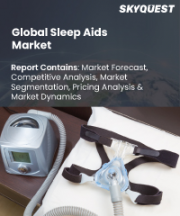
수면 보조제 시장 규모는 2024년에 831억 9,000만 달러로 평가되었고, 2025년 881억 4,000만 달러에서 2033년까지 1,399억 6,000만 달러로 성장할 전망이며, 예측 기간(2026-2033년) CAGR은 5.95%를 보일 것으로 예측됩니다.
수면장애는 개인의 삶의 질에 심각한 영향을 미치며, 주간 피로, 학업 및 직업적 문제, 정신 건강 문제, 심장병 및 당뇨병과 같은 만성질환을 포함한 다양한 합병증을 유발할 수 있습니다. 불면증, 수면무호흡증, 하지불안증후군, 하지불안증후군, 기면증과 같은 흔한 질환은 효과적인 치료법의 필요성을 강조하고 있습니다. 치료 옵션은 피트리산, 모다피닐과 같은 기존 의약품부터 가바펜틴, 졸피뎀, 각종 보충제 등 대체요법까지 다양합니다. 규칙적인 운동과 최적의 환경 조성 등 생활습관 개선도 수면의 질 향상에 기여합니다. 그러나 수면 보조제에 따른 부작용에 대한 우려와 환자들의 잦은 약물 유효기간 만료로 인해 수면 보조제 시장의 성장을 저해할 수 있어 안전하고 효과적인 해결책의 필요성이 대두되고 있습니다.
수면 보조제 시장 성장 촉진요인
현대인의 라이프 스타일에 영향을 받은 전 세계 사람들의 수면 패턴의 변화는 수면 보조제 시장의 확대를 크게 부추기고 있습니다. 또한, 소비자 부 증가와 의료 서비스에 대한 접근성 향상도 이러한 성장에 기여하고 있으며, 더 많은 사람들이 수면 관련 문제에 대한 효과적인 해결책을 찾고 있습니다. 수면의 질이 건강 전반에 걸쳐 중요하다는 인식이 높아지면서 수면 보조제에 대한 수요가 증가하고 있으며, 수면의 질을 개선하기 위해 고안된 다양한 제품들이 더욱 폭넓게 수용되고 활용되고 있습니다. 그 결과, 습관의 변화와 의료 자원에 대한 접근성 향상으로 인해 수면 보조제 시장의 지속적인 성장과 혁신이 가능해진 것입니다.
수면 보조제 시장 성장 억제요인
수면 보조제 시장은 혁신적인 기술의 발달로 인해 수면장애의 치료가 점점 더 어려워지고 있다는 문제에 직면해 있습니다. 또한, 수면제 사용에 대한 표준화된 가이드라인과 문서화가 부족하여 효과적인 적용을 방해하고 있습니다. 수면 기기의 부적절한 설정 및 구성과 관련된 문제는 이러한 어려움을 더욱 악화시켜 시장 성장의 정체에 기여하고 있습니다. 이러한 요인들은 수면 관련 질환의 효과적인 관리 및 치료에 대한 장벽이 되어 시장의 잠재적 발전을 저해하고, 이 분야의 규제 개선과 기술 통합의 필요성을 강조하고 있습니다.
수면 보조제 시장 동향
세계 수면 보조제 시장에서는 불면증, 하지불안증후군, 기면증 등 수면장애의 유병률 증가를 배경으로 수요가 눈에 띄게 증가하고 있습니다. 소비자들은 편안함을 높이고 숙면을 취할 수 있도록 설계된 특수 베개와 매트리스 등 혁신적인 수면 개선 제품을 점점 더 많이 찾고 있습니다. 이러한 추세는 건강 전반에서 수면의 중요성에 대한 인식이 높아지면서 자연요법 및 약리학적 수면 솔루션에 대한 선호도가 높아짐에 따라 더욱 가속화되고 있습니다. 라이프스타일이 빨라지고 스트레스 수준이 높아짐에 따라 수면 보조제 시장은 크게 확대될 것으로 예상되며, 이는 건강 증진을 위한 양질의 수면에 대한 관심이 높아짐을 반영합니다.
Sleep Aids Market size was valued at USD 83.19 Billion in 2024 and is poised to grow from USD 88.14 Billion in 2025 to USD 139.96 Billion by 2033, growing at a CAGR of 5.95% during the forecast period (2026-2033).
Sleep disorders significantly impact individuals' quality of life, contributing to daytime fatigue and a myriad of complications, including challenges in academic and professional settings, mental health issues, and chronic conditions like heart disease and diabetes. Common disorders such as insomnia, sleep apnea, restless legs syndrome, and narcolepsy highlight the pressing need for effective interventions. Treatment options range from traditional medications like pitolisant and modafinil to alternatives including gabapentin, zolpidem, and various supplements. Lifestyle modifications, such as regular exercise and optimal environmental conditions, can enhance sleep quality. However, concerns over side effects associated with sleep aids and the prevalence of medication expiration among patients are likely to hinder growth in the sleep aids market, underscoring the need for safe and effective solutions.
Top-down and bottom-up approaches were used to estimate and validate the size of the Sleep Aids market and to estimate the size of various other dependent submarkets. The research methodology used to estimate the market size includes the following details: The key players in the market were identified through secondary research, and their market shares in the respective regions were determined through primary and secondary research. This entire procedure includes the study of the annual and financial reports of the top market players and extensive interviews for key insights from industry leaders such as CEOs, VPs, directors, and marketing executives. All percentage shares split, and breakdowns were determined using secondary sources and verified through Primary sources. All possible parameters that affect the markets covered in this research study have been accounted for, viewed in extensive detail, verified through primary research, and analyzed to get the final quantitative and qualitative data.
Sleep Aids Market Segments Analysis
Global Sleep Aids Market is segmented by product type, sleep disorder, distribution channel, end-user and region. Based on product type, the market is segmented into mattresses & pillows, medications, sleep apnea devices, sleep laboratories and other products. Based on sleep disorder, the market is segmented into insomnia, sleep apnea, restless legs syndrome, narcolepsy, sleepwalking and other sleep disorders. Based on distribution channel, the market is segmented into retail pharmacies, hospital pharmacies, online pharmacies, sleep clinics and others. Based on end-user, the market is segmented into adults, children and elderly. Based on region, the market is segmented into North America, Europe, Asia Pacific, Latin America and Middle East & Africa.
Driver of the Sleep Aids Market
The evolving sleep patterns among people worldwide, influenced by contemporary lifestyles, significantly fuel the expansion of the sleep aids market. Additionally, rising consumer affluence and enhanced access to healthcare services contribute to this growth, as more individuals seek effective solutions for sleep-related issues. The heightened awareness of the importance of quality sleep for overall well-being propels the demand for sleep aids, leading to a broader acceptance and utilization of various products designed to improve sleep quality. As a result, this combination of changing habits and increased accessibility to health resources positions the sleep aids market for continuous growth and innovation.
Restraints in the Sleep Aids Market
The Sleep Aids market faces challenges due to the rising complexity of innovative technologies that complicate the treatment of sleep disorders. Additionally, the absence of standardized guidelines and documentation for the use of sleep medications hinders effective application. Issues related to improper settings and configurations of sleep devices further exacerbate these difficulties, contributing to a stagnation in market growth. These factors collectively impede the potential advancement of the market, as they create barriers to the effective management and treatment of sleep-related conditions, highlighting the need for improved regulations and better technological integration in this sector.
Market Trends of the Sleep Aids Market
The global sleep aids market is witnessing a notable surge in demand, driven by a rising prevalence of sleep disorders such as insomnia, restless leg syndrome, and narcolepsy. Consumers are increasingly turning to innovative sleep-improving products, including specialized pillows and mattresses designed to enhance comfort and promote restful sleep. This trend is further fueled by heightened awareness of the importance of sleep for overall health, leading to a growing inclination towards natural and pharmacological sleep solutions. As lifestyles become more fast-paced and stress levels rise, the market for sleep aids is projected to expand significantly, reflecting a heightened focus on achieving quality sleep for improved well-being.