Global Decarbonization Trends and Smart Manufacturing: 2025 Deployment Strategies
상품코드:1916329
리서치사:TrendForce
발행일:2025년 12월
페이지 정보:영문 28 Pages
라이선스 & 가격 (부가세 별도)
한글목차
세계의 넷 제로 전환은 배출량 거래, 탄소세, 배출량 거래 제도 등 탄소 가격 설정 메커니즘에 견인되어 계속해서 기세를 늘리고 있습니다. 이에 대응하여 주요 제조업체는 넷 제로에 대한 노력과 전략을 추진하는 반면, AI 용도는 기업의 넷 제로 변화를 가능하게 하는 중요한 요소로 점점 인식되고 있습니다.
주요 하이라이트
2025년 현재 세계에서 운영되고 있는 탄소가격 메커니즘은 세계 온실가스 배출량의 약 28%를 커버하고 있습니다. 세계은행은 가격 수준이 여전히 너무 낮다고 지적하고 있으며 추가 인상이 예상됩니다.
EU는 2027년 탄소 국경 조정 메커니즘(CBAM)의 도입을 계획하고 있습니다. 한편 아시아 국가들도 탄소정책을 추진하고 있으며 일본은 신용거래, 한국은 배출량거래제도 확대, 대만은 탄소신용거래와 주요 배출원을 대상으로 한 탄소과세 도입을 통해 노력하고 있습니다.
기술 리더기업은 신재생에너지 목표에 대한 이니셔티브를 강화하고 공급업체와 연계하여 사업활동 전체 및 밸류체인의 배출량 감축을 추진하고 있습니다.
제조업체는 넷 제로 달성에 대한 압력이 높아지는 가운데 공정과 에너지 구조, 순환형 경제의 실천을 향상시킬 필요성에 직면하고 있습니다.
정책에 뒷받침되는 AI의 진전은 ESG 실행과 넷 제로 달성의 중요한 추진력이 되고 있습니다.
목차
제1장 세계 배출량 증가 동향
제2장 각국의 넷 제로 이행 상황
제3장 제조업의 넷 제로 변혁에 있어서의 과제와 전략적 대응
제4장 기술 혁신과 그린변혁의 융합
제5장 넷 제로 이행에 있어서의 주요 과제
제6장 TRI의 견해
SHW
영문 목차
영문목차
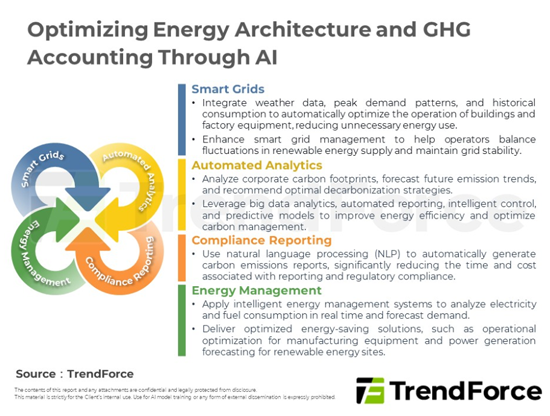
The global net-zero transition continues to gain momentum, driven by carbon pricing mechanisms such as emissions trading, carbon fees, and cap-and-trade systems. In response, major manufacturers are advancing net-zero commitments and strategies, while AI applications are increasingly recognized as a key enabler of corporate net-zero transformation.
Key Highlights
In 2025, carbon pricing mechanisms operating worldwide cover about 28% of global greenhouse gas emissions. The World Bank notes that prices remain too low; therefore, further increases are expected.
The EU plans to implement the Carbon Border Adjustment Mechanism (CBAM) in 2027. Meanwhile, Asian economies are advancing carbon policies -Japan via credit trading, South Korea by expanding its emissions trading system, and Taiwan through carbon credit trading and an upcoming carbon fee targeting major emitters.
Technology leaders are committing to renewable energy goals and collaborating with suppliers to reduce emissions across operations and value chains.
Manufacturers face growing net-zero pressures, driving the need to upgrade processes, energy structures, and circular economy practices.
AI advancement, supported by policy, is becoming a key enabler for ESG execution and net-zero achievement.
Table of Contents
1. Global Emission Growth Trends
2. Status of Net-Zero Transitions Across Countries
3. Challenges and Strategic Responses for Manufacturing Net-Zero Transformation
4. Convergence of Technological Innovation and Green Transformation