


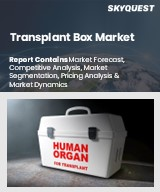
세계의 이식용 박스 시장 규모는 2024년에 1억 6,967만 달러로 평가되며, 2025년 1억 8,477만 달러에서 2033년까지 3억 6,547만 달러로 성장할 전망입니다. 예측 기간(2026-2033년)의 CAGR은 8.9%로 예측됩니다.
세계 이식용 박스 시장은 만성질환 증가와 고령화에 따른 장기 기증율 증가, 수술기술 및 보존기술의 향상을 배경으로 괄목할 만한 성장세를 보이고 있습니다. 병원, 이식센터, 바이오뱅크, 연구시설에서는 기증자에서 수혜자까지 최적의 온도 및 습도 관리와 보호를 보장하는 박스가 요구되고 있습니다. 주목할 만한 동향으로는 IoT 센서, GPS 추적, 온도 모니터링, 실시간 데이터 기록 기능을 갖춘 첨단 이식 박스의 출현을 들 수 있습니다. 이를 통해 운송 중 신뢰성을 향상시키고 장기 손상 위험을 줄일 수 있습니다. 또한 기존의 얼음을 이용한 보존 방법에서 장기를 보다 생리적 상태로 유지하여 생존 기간을 연장하는 현대 관류 기술로 전환이 진행되고 있습니다. 또한 시장에서는 기존 카트형 솔루션보다 단열성과 모니터링 기능이 우수한 휴대용 운송 시스템을 중시하는 경향이 있습니다.
세계 이식용 박스 시장 성장 촉진요인
신부전, 간경화, 심장병 등 만성질환 증가로 장기이식의 필요성이 크게 증가하고 있습니다. 이러한 수요의 급증은 운송 중 장기의 생존율을 유지하기 위해 설계된 신뢰할 수 있는 이식 상자의 중요성을 강조하고 있습니다. 전 세계에서 이식 센터 증가, 장기 기증을 장려하는 정부의 구상과 함께 이식 보존 기술의 발전에 대한 지속적인 추진력이 생겨나고 있습니다. 그 결과, 이식 과정 전반에 걸쳐 장기의 안전과 무결성을 보장하는 효과적인 솔루션의 필요성으로 인해 세계 이식 박스 시장은 성장할 것으로 예측됩니다.
세계 이식용 컨테이너 시장 성장 억제요인
기존의 단열 용기에서 첨단 스마트 이식 박스로의 전환에는 큰 비용적인 문제가 존재합니다. 센서, AI 기반 모니터링 시스템, 관류 기술을 통합한 이 혁신적인 박스는 복잡한 디자인, 특수 소재, 내장된 전자 장치로 인해 가격이 상당히 비쌉니다. 또한 유지보수, 교정, 의료진에 대한 교육이 필요하므로 비용이 더욱 증가하게 됩니다. 그 결과, 특히 개발도상국의 중소형 병원에서는 이러한 첨단 솔루션에 대한 투자가 어려운 경우가 많아 장기 이식에 있으며, 첨단 기술 도입 능력에 한계가 있습니다.
세계 이식 박스 시장 동향
세계 이식 박스 시장에서는 인공지능(AI)과 사물인터넷(IoT) 기술의 통합을 특징으로 하는 변혁적 동향이 진행 중입니다. 이를 통해 온도, 압력, 산소화, 지역적 위치 등 중요한 매개변수를 실시간으로 모니터링할 수 있으며, 운송 중 장기 보존을 위한 최적의 조건을 확보할 수 있습니다. AI 분석을 활용하면 이해관계자들은 이러한 이상적인 상태로부터의 잠재적 일탈을 예측할 수 있고, 장기가 손상되기 전에 임상팀이 선제적으로 개입할 수 있습니다. 이 혁신은 장기 수송의 안전성과 효율성을 높일 뿐만 아니라 이식 수술의 성과를 향상시켜 궁극적으로 이 분야에 혁명을 일으킬 수 있는 잠재력을 가지고 있습니다.
Global Transplant Box Market size was valued at USD 169.67 Million in 2024 and is poised to grow from USD 184.77 Million in 2025 to USD 365.47 Million by 2033, growing at a CAGR of 8.9% during the forecast period (2026-2033).
The global transplant box market is witnessing significant growth, driven by increasing organ donation rates fueled by the rise in chronic diseases and aging populations, alongside improved surgical and preservation techniques. Hospitals, transplant centers, biobanks, and research facilities require boxes that ensure optimal temperature, humidity, and protection from donor to recipient. A notable trend is the emergence of advanced transplant boxes featuring IoT sensors, GPS tracking, temperature monitoring, and real-time data logging, enhancing reliability and reducing organ damage risk during transit. There is also a shift from traditional ice-based preservation to modern perfusion technologies that maintain organs in a more physiological state, extending their viability. Additionally, the market is leaning towards portable transportation systems over traditional cart-based solutions, ensuring better insulation and monitoring for improved outcomes.
Top-down and bottom-up approaches were used to estimate and validate the size of the Global Transplant Box market and to estimate the size of various other dependent submarkets. The research methodology used to estimate the market size includes the following details: The key players in the market were identified through secondary research, and their market shares in the respective regions were determined through primary and secondary research. This entire procedure includes the study of the annual and financial reports of the top market players and extensive interviews for key insights from industry leaders such as CEOs, VPs, directors, and marketing executives. All percentage shares split, and breakdowns were determined using secondary sources and verified through Primary sources. All possible parameters that affect the markets covered in this research study have been accounted for, viewed in extensive detail, verified through primary research, and analyzed to get the final quantitative and qualitative data.
Global Transplant Box Market Segments Analysis
Global Transplant Box Market is segmented by Organ Type, End-Use and region. Based on Organ Type, the market is segmented into Kidney, Liver, Heart, Lung and Others. Based on End-Use, the market is segmented into Hospitals, Transplant Centres and Other End-Users. Based on region, the market is segmented into North America, Europe, Asia Pacific, Latin America and Middle East & Africa.
Driver of the Global Transplant Box Market
The rising prevalence of chronic diseases like kidney failure, liver cirrhosis, and heart disease has significantly elevated the necessity for organ transplants. This escalating demand emphasizes the importance of dependable transplant boxes designed to preserve the viability of organs during transportation. As more transplant centers emerge globally, coupled with governmental initiatives aimed at facilitating organ donation, there is a sustained impetus for advancements in transplant preservation technology. Consequently, the market for global transplant boxes is poised for growth, driven by the need for effective solutions that ensure organ safety and integrity throughout the transplantation process.
Restraints in the Global Transplant Box Market
The transition from traditional insulated containers to advanced smart transplant boxes presents significant cost challenges. These innovative boxes, which incorporate sensors, AI-driven monitoring systems, and perfusion technology, come with a considerably higher price tag due to their complex design, specialized materials, and embedded electronics. Additionally, maintenance, calibration, and the need for training medical personnel further increase expenses. Consequently, smaller or mid-sized hospitals, particularly in developing areas, often find it difficult to invest in these sophisticated solutions, leading to limitations in their ability to adopt these advanced technologies for organ transplantation.
Market Trends of the Global Transplant Box Market
The Global Transplant Box market is witnessing a transformative trend characterized by the integration of Artificial Intelligence (AI) and the Internet of Things (IoT) technologies. This convergence enables real-time monitoring of critical parameters such as temperature, pressure, oxygenation, and geographical location, ensuring optimal conditions for organ preservation during transit. By harnessing AI analytics, stakeholders can anticipate potential deviations from these ideal states, allowing for proactive intervention by clinical teams before any damage occurs to the organ. This innovation not only enhances the safety and efficiency of organ transportation but also holds the promise of improved outcomes in transplant surgeries, ultimately revolutionizing the field.