


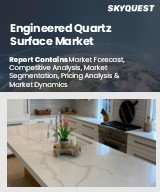
세계의 인공 석영 표면재 시장 규모는 2024년에 179억 6,000만 달러로 평가되었고, 2025년 192억 달러에서 2033년까지 327억 4,000만 달러로 성장할 전망이며, 예측 기간(2026-2033년) CAGR은 6.9%를 보일 것으로 예측됩니다.
세계 인공 석영 표면재 시장은 주택 개보수에 대한 관심 증가와 건설 산업의 급격한 성장에 힘입어 견조한 성장세를 이어가고 있습니다. 이러한 수요 급증은 소재의 다용도성, 내구성, 그리고 시각적 매력에 기인합니다. 도시화와 라이프스타일의 변화에 따라 현대적인 주방과 욕실에 대한 관심이 높아지면서 인공 석영은 현대적인 미적 감각과 조화를 이루기 때문에 선호되는 선택이 되고 있습니다. 또한, 호텔, 소매, 기업용 부동산에 걸친 상업 부문에서는 디자인 일관성과 표면 내구성에 대한 수요가 시장을 주도하고 있습니다. 지속 가능한 건축자재에 대한 인식이 높아진 것도 시장의 관심을 더욱 부추기고 있습니다. 제조 방법의 혁신으로 제품 품질이 향상되고, 스크래치 저항성, 색상 혼합, 디자인 유연성이 향상되어 주거용 및 상업용 인테리어 솔루션 모두에 적용되고 있습니다.
세계 인공 석영 표면재 시장 성장 촉진요인
인공 석영 표면재 세계 시장은 뛰어난 내구성과 미적 매력을 겸비한 소재에 대한 수요 증가에 힘입어 주택 소유자와 사업주 모두에게 매우 매력적인 선택이 되고 있습니다. 인공 석영은 얼룩, 스크래치, 습기에 강한 비다공성 표면을 제공하기 때문에 주방, 욕실, 상업시설과 같은 교통량이 많은 지역에 이상적인 선택입니다. 이러한 추세는 일회용 소재에서 저렴하면서도 내구성이 뛰어나고 지속적인 아름다움과 기능성을 제공하는 선택지로의 전환을 반영하고 있습니다. 그 결과, 개발자와 소비자는 디자인과 실용적인 성능을 완벽하게 통합한 표면 소재에 대한 투자를 점점 더 선호하고 있습니다.
세계 인공 석영 표면재 시장 성장 억제요인
인공석영 표면재 제조에는 고비용의 공정이 수반되어 시장 확대에 큰 제약요인으로 작용하고 있습니다. 이 제조에는 고도의 기계 설비와 석영 결정, 수지 등 고품질 원료와 더불어 막대한 에너지 소비가 필요합니다. 결과적으로 이러한 비용은 프리미엄 가격으로 이어져 비용 민감도가 높은 시장에서 경쟁력을 떨어뜨리고 있습니다. 또한, 운송 및 설치와 관련된 추가 비용은 전체 재정적 부담을 더욱 증가시켜 중저가 건설 프로젝트에서 인공 석영 표면재료의 채택을 방해하여 다양한 분야에서 시장 침투를 제한할 수 있습니다.
세계 인공 석영 표면재 시장 동향
세계 인공 석영 표면재 시장에서는 소비자와 디자이너들이 친환경적인 선택을 우선시하는 가운데, 지속가능성을 향한 큰 전환이 일어나고 있습니다. 이러한 추세는 재활용 소재와 저VOC 수지를 사용한 표면재에 대한 수요 증가로 뒷받침되고 있으며, 엄격한 그린빌딩 규제와도 일치하고 있습니다. 각 제조업체들은 LEED 등 지속가능성 인증을 충족하는 제품군 개발을 통해 대응하고 있으며, 제조 공정과 디자인 미학을 재정의하고 있습니다. 이러한 진화는 환경에 민감한 소비자층의 요구에 부응할 뿐만 아니라 업계 전반의 환경 기준 준수에 대한 필요성에 부응하고, 전 세계 주거 및 상업 부문 모두에서 혁신과 협업을 촉진하고 있습니다.
Global Engineered Quartz Surface Market size was valued at USD 17.96 Billion in 2024 and is poised to grow from USD 19.2 Billion in 2025 to USD 32.74 Billion by 2033, growing at a CAGR of 6.9% during the forecast period (2026-2033).
The global engineered quartz surface market is witnessing robust expansion, fueled by the growing focus on home improvement and the booming construction sector. This surge in demand is attributed to the material's versatility, durability, and visual appeal. Urbanization and evolving lifestyle trends emphasize modern kitchens and bathrooms, where engineered quartz serves as a favored choice for its seamless compatibility with contemporary aesthetics. Additionally, the commercial segment-spanning hospitality, retail, and corporate realty-benefits from the demand for design consistency and surface durability. Increasing awareness of sustainable building materials is further boosting market interest. Ongoing technological advancements in production methods enhance product quality, enabling improved scratch resistance, color mixing, and design flexibility, thereby supporting both residential and commercial interior solutions.
Top-down and bottom-up approaches were used to estimate and validate the size of the Global Engineered Quartz Surface market and to estimate the size of various other dependent submarkets. The research methodology used to estimate the market size includes the following details: The key players in the market were identified through secondary research, and their market shares in the respective regions were determined through primary and secondary research. This entire procedure includes the study of the annual and financial reports of the top market players and extensive interviews for key insights from industry leaders such as CEOs, VPs, directors, and marketing executives. All percentage shares split, and breakdowns were determined using secondary sources and verified through Primary sources. All possible parameters that affect the markets covered in this research study have been accounted for, viewed in extensive detail, verified through primary research, and analyzed to get the final quantitative and qualitative data.
Global Engineered Quartz Surface Market Segments Analysis
Global Engineered Quartz Surface Market is segmented by Type, Application, Finish, Pattern, Technology and region. Based on Type, the market is segmented into Slabs and Tiles. Based on Application, the market is segmented into Kitchen Countertops, Bathroom Vanity Tops, Flooring and Wall Cladding. Based on Finish, the market is segmented into Polished, Honed and Textured. Based on Pattern, the market is segmented into Solid Color, Veined and Speckled. Based on Technology, the market is segmented into Vacuumed Sintered and Sintered Vibro-Compaction. Based on region, the market is segmented into North America, Europe, Asia Pacific, Latin America and Middle East & Africa.
Driver of the Global Engineered Quartz Surface Market
The global market for engineered quartz surfaces is driven by a growing demand for materials that combine exceptional durability with aesthetic appeal, making them highly attractive to both homeowners and business owners. Engineered quartz provides non-porous surfaces that resist stains, scratches, and moisture, making it an ideal choice for high-traffic areas such as kitchens, bathrooms, and commercial spaces. This trend reflects a movement away from disposable materials towards more affordable yet resilient options that offer lasting beauty and functionality. Consequently, developers and consumers are increasingly inclined to invest in surfaces that seamlessly integrate design with practical performance.
Restraints in the Global Engineered Quartz Surface Market
The production of engineered quartz surfaces involves a costly process that serves as a significant limitation for market expansion. This manufacturing requires advanced machinery and high-quality raw materials, including quartz crystals and resins, along with substantial energy consumption. As a result, these expenses lead to premium pricing, which diminishes competitiveness in markets driven by cost sensitivity. Furthermore, additional expenses related to transportation and installation further increase the overall financial burden, which can hinder the adoption of engineered quartz surfaces in lower to mid-range construction projects, limiting their market penetration in various sectors.
Market Trends of the Global Engineered Quartz Surface Market
The global Engineered Quartz Surface market is witnessing a significant shift towards sustainability as consumers and designers prioritize eco-friendly options. This trend is driven by a growing demand for surfaces made from recycled materials and low-VOC resins, aligning with stringent green building regulations. Manufacturers are responding by developing product lines that meet sustainability certifications, such as LEED, thereby redefining their manufacturing processes and design aesthetics. This evolution not only caters to a conscious consumer base but also addresses the industry's need to comply with environmental standards, fostering innovation and collaboration in both residential and commercial sectors globally.