


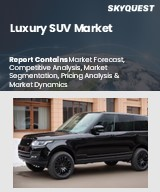
고급 SUV 시장 규모는 2024년에 87억 5,000만 달러로 평가되었으며, 2025년 97억 달러에서 2033년까지 220억 3,000만 달러로 성장할 전망입니다. 예측 기간(2026-2033년) 동안 CAGR은 10.8%로 예측됩니다.
전 세계 가처분 소득 증가와 부유층 증가를 배경으로 고급 SUV 시장은 큰 폭의 성장이 예상됩니다. 혁신적인 고급 SUV 모델의 출시가 시장의 매력도를 높이는 데 기여하는 한편, 오프로드 주행에 대한 관심이 높아지면서 수요 확대에 힘을 보태고 있습니다. 전기 SUV로의 전환 추세와 지속가능성에 대한 관심이 높아지면서 제조업체들에게 유망한 기회를 창출하고 있습니다. 또한, 자동차 생산 확대와 총 차량 판매량 증가는 고급 SUV 수요에 긍정적인 영향을 미칠 가능성이 높습니다. 그러나 높은 소유 비용, 경제적 불확실성, 크로스오버 차량과의 치열한 경쟁, 전기자동차를 위한 충전 인프라 부족 등의 문제가 이 분야의 발전을 저해할 수 있습니다. 하지만 이러한 추세 속에서도 시장 전망은 여전히 낙관적입니다.
고급 SUV 시장 촉진요인
전 세계적으로 개인의 가처분 소득이 증가하면서 구매력이 크게 증가하여 소비자의 기호를 재구성하고 있습니다. 부유층 구매층은 자산이 증가함에 따라 고급 SUV가 제공하는 첨단 기능, 뛰어난 성능 및 지위에 점점 더 매력을 느끼고 있습니다. 이러한 고급차 선호 경향의 증가는 프리미엄 경험과 제품을 추구하는 소비자의 광범위한 추세를 반영하며, 고급 SUV 시장의 확대를 촉진하고 있습니다. 취향이 진화함에 따라 고급 SUV에 대한 수요는 계속 증가하고 있으며, 이는 자동차 산업에서 이 부문의 견고한 전망을 보여줍니다.
고급 SUV 시장 억제요인
고급 SUV는 고급 기능과 장비로 설계되었기 때문에 일반 SUV나 다른 차종에 비해 가격이 훨씬 더 비쌉니다. 이 높은 가격대는 많은 소비자들, 특히 예산 중심의 시장에서 진입장벽이 되고 있습니다. 또한, 고급 SUV와 관련된 지속적인 유지보수 및 운영 비용은 총 비용에 추가되어 잠재적 구매자가 이러한 차량을 고려하는 것을 더욱 주저하게 만드는 요인이 됩니다. 결과적으로 높은 초기 구매 가격과 높은 유지비가 결합되어 가격에 민감한 계층에서 고급 SUV의 보급을 제한하고, 궁극적으로 시장 성장과 소비자 기반 확대를 저해하고 있습니다.
고급 SUV 시장 동향
고급 SUV 시장은 변화하는 소비자 취향과 엄격한 배기가스 규제에 대한 전략적 대응으로 전기자동차(EV) 및 하이브리드 파워트레인 개발에 점점 더 집중하고 있습니다. 환경에 대한 인식이 높은 구매자들이 고급스러움과 함께 지속가능성을 중시하는 가운데, 제조업체들은 전동화에 많은 투자를 통해 성능, 기술, 저탄소 배출량을 결합한 정교한 모델을 만들어내고 있습니다. 이러한 추세는 현대 자동차 규제에 대한 적합성을 보여줄 뿐만 아니라, 고급스러움과 운전 경험을 해치지 않는 친환경적인 대체품에 대한 시장 수요의 전환을 의미합니다. 그 결과, 전기자동차와 하이브리드 고급 SUV는 프리미엄 부문을 재정의할 태세를 갖추고 있으며, 이를 선호하는 소비자 층을 넓혀가고 있습니다.
Luxury SUV Market size was valued at USD 8.75 Billion in 2024 and is poised to grow from USD 9.7 Billion in 2025 to USD 22.03 Billion by 2033, growing at a CAGR of 10.8% during the forecast period (2026-2033).
The luxury SUV market is poised for substantial growth driven by rising disposable incomes globally and an increasing number of high-net-worth individuals. The influx of innovative luxury SUV models is set to enhance market appeal, while a growing interest in off-road adventures contributes to escalating demand. The trend towards electric SUVs and a heightened emphasis on sustainability create promising opportunities for manufacturers. Furthermore, the expansion of automotive production and overall vehicle sales are likely to influence luxury SUV demand positively. However, challenges such as high ownership costs, economic uncertainties, stiff competition from crossover vehicles, and inadequate charging infrastructure for electric models may hinder progress in this sector. Nonetheless, the market outlook remains optimistic amid these dynamics.
Top-down and bottom-up approaches were used to estimate and validate the size of the Luxury SUV market and to estimate the size of various other dependent submarkets. The research methodology used to estimate the market size includes the following details: The key players in the market were identified through secondary research, and their market shares in the respective regions were determined through primary and secondary research. This entire procedure includes the study of the annual and financial reports of the top market players and extensive interviews for key insights from industry leaders such as CEOs, VPs, directors, and marketing executives. All percentage shares split, and breakdowns were determined using secondary sources and verified through Primary sources. All possible parameters that affect the markets covered in this research study have been accounted for, viewed in extensive detail, verified through primary research, and analyzed to get the final quantitative and qualitative data.
Luxury SUV Market Segments Analysis
Global Luxury SUV Market is segmented by Type, Fuel, Car Price, Sales Channel and region. Based on Type, the market is segmented into Compact, Mid-size and Full-size. Based on Fuel, the market is segmented into Gasoline, Diesel and Hybrid/electric. Based on Car Price, the market is segmented into USD 30K-60K, USD 60K-90K, USD 90K-120K and Over USD 120K. Based on Sales Channel, the market is segmented into Franchised dealer and Independent dealer. Based on region, the market is segmented into North America, Europe, Asia Pacific, Latin America and Middle East & Africa.
Driver of the Luxury SUV Market
The rise in disposable income among individuals worldwide is significantly enhancing purchasing power and reshaping consumer preferences. As wealth increases, affluent buyers are increasingly attracted to the advanced features, superior performance, and prestigious status that luxury SUVs offer. This growing inclination towards upscale vehicles reflects a broader trend of consumers seeking premium experiences and products, thereby propelling the expansion of the luxury SUV market. As preferences evolve, the demand for high-end SUVs continues to gain momentum, indicating a robust outlook for this segment in the automotive industry.
Restraints in the Luxury SUV Market
Luxury SUVs are designed with high-end features and amenities, making them significantly more expensive than standard SUVs or other vehicle categories. This elevated price point poses a barrier to entry for many consumers, particularly those in budget-conscious markets. Additionally, the ongoing maintenance and operational expenses associated with luxury SUVs contribute to their overall cost, further discouraging potential buyers from considering these vehicles. As a result, this combination of high initial purchase prices and costly upkeep restricts the broader adoption of luxury SUVs among price-sensitive demographics, ultimately limiting their market growth and consumer base.
Market Trends of the Luxury SUV Market
The luxury SUV market is increasingly leaning towards the development of electric and hybrid powertrains as a strategic response to evolving consumer preferences and stringent emission regulations. As environmentally conscious buyers prioritize sustainability alongside luxury, manufacturers are investing heavily in electrification, creating sophisticated models that blend performance, technology, and reduced carbon footprints. This trend signifies not only compliance with modern vehicle regulations but also a shift in market demand towards eco-friendly alternatives that do not compromise on luxury or driving experience. As a result, electric and hybrid luxury SUVs are poised to redefine the premium segment, attracting a growing demographic of discerning consumers.