


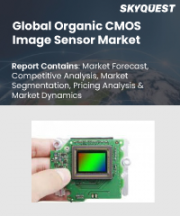
유기 CMOS 이미지 센서 시장 규모는 2024년에 19억 달러로 평가되며, 2025년 21억 4,000만 달러에서 2033년까지 54억 4,000만 달러로 성장할 전망입니다. 예측 기간(2026-2033년)의 CAGR은 12.4%로 예측됩니다.
다양한 분야에서 고성능 이미징 솔루션에 대한 수요가 증가하면서 유기 CMOS 이미지 센서의 판매를 견인하고 있습니다. 이 센서는 기존 실리콘 기반 옵션에 비해 낮은 전력 소비, 가벼운 디자인, 향상된 광 감도로 인해 선호되고 있습니다. 스마트폰 카메라, 의료용 영상기기, 감시 시스템, 자동차 카메라에서 중요한 용도를 발견하고 있습니다. 또한 전자 분야에서 지속가능한 관행의 채택 증가와 친환경 제품에 대한 수요가 증가함에 따라 유기 CMOS 센서 시장 매력도가 높아질 것으로 예측됩니다. 유기 반도체 기술의 발전은 시장 성장에 더 많은 영향을 미칠 것으로 예측됩니다. 스마트폰 분야에서 소형 고성능 이미지 센서에 대한 수요 증가는 유기 CMOS 이미지 센서 시장에서 스타트업과 기존 기업 모두에게 큰 성장 기회를 제공합니다.
유기 CMOS 이미지 센서 시장 성장 촉진요인
스마트폰의 보급 확대는 소비자들이 보다 우수한 카메라 기능을 지속적으로 요구하면서 유기 CMOS 이미지 센서 수요에 크게 기여하고 있습니다. 뛰어난 사진 및 동영상 촬영 경험에 대한 추구는 제조업체의 혁신을 촉진하고, 첨단 센서 기술에 대한 관심이 높아지고 있습니다. 뛰어난 성능과 효율성으로 유명한 유기 CMOS 이미지 센서는 기존 대체품에 비해 우월한 성능으로 주목받고 있습니다. 스마트폰 산업의 급속한 성장과 함께 고품질 이미징 솔루션에 대한 수요는 이러한 센서 시장을 주도할 것으로 예상되며, 이는 개발자와 소비자 모두에 대한 장점에 대한 인식이 높아진 것을 반영하는 것으로 보입니다.
유기 CMOS 이미지 센서 시장 성장 억제요인
유기 CMOS 이미지 센서 시장은 시장 침투의 한계로 인해 심각한 문제에 직면해 있습니다. 기존 실리콘 기반 센서가 업계를 지배하고 있으며, 오랜 기간의 실적, 저비용, 다면적인 우수한 성능 등의 장점을 가지고 있습니다. 이러한 성능과 비용의 격차는 유기 CMOS 이미지 센서의 보급을 방해하고 시장내 잠재적인 성장 기회에 영향을 미치고 있습니다. 그 결과, 소비자와 산업계가 보다 안정적이고 신뢰할 수 있는 기술을 계속 지지하는 한, 유기 CMOS 이미지 센서의 전반적인 확장은 제한될 수 있습니다. 결과적으로 이러한 상황은 유기 센서 분야의 혁신과 발전을 저해할 수 있습니다.
유기 CMOS 이미지 센서 시장 동향
유기 CMOS 이미지 센서 시장에서는 우수한 저조도 이미징 솔루션에 대한 수요 증가를 배경으로 두드러진 추세가 관찰되고 있습니다. 소비자와 산업계 모두 까다로운 조명 조건에서 성능 향상을 요구하고 있는 가운데, 유기 CMOS 센서의 우수성이 점점 더 분명해지고 있습니다. 야시 기술의 보급 확대와 스마트폰 분야의 저조도 촬영 능력에 대한 끊임없는 추구가 결합되어 이 분야의 혁신적인 발전을 촉진하고 있습니다. 유기 CMOS 센서를 전문으로 하는 기업은 이러한 기회를 포착할 준비가 되어 있습니다. 시장 니즈에 부합하는 제품을 제공함으로써 가전기기부터 첨단 모니터링 시스템에 이르기까지 다양한 용도에서 사용자 경험 전반을 향상시키고 있습니다.
Organic CMOS Image Sensor Market size was valued at USD 1.9 Billion in 2024 and is poised to grow from USD 2.14 Billion in 2025 to USD 5.44 Billion by 2033, growing at a CAGR of 12.4% during the forecast period (2026-2033).
The growing need for high-performance imaging solutions across various sectors is driving the sales of organic CMOS image sensors. These sensors are favored for their low power consumption, lightweight design, and improved light sensitivity compared to traditional silicon-based options. They find crucial applications in smartphone cameras, medical imaging equipment, surveillance systems, and automotive cameras. Additionally, the rising adoption of sustainable practices in electronics and demand for eco-friendly products are expected to enhance the appeal of organic CMOS sensors in the market. Technological advancements in organic semiconductors will further influence market growth. The smartphone sector's increasing preference for compact, high-performance image sensors presents significant opportunities for both emerging and established players in the organic CMOS image sensor landscape.
Top-down and bottom-up approaches were used to estimate and validate the size of the Organic CMOS Image Sensor market and to estimate the size of various other dependent submarkets. The research methodology used to estimate the market size includes the following details: The key players in the market were identified through secondary research, and their market shares in the respective regions were determined through primary and secondary research. This entire procedure includes the study of the annual and financial reports of the top market players and extensive interviews for key insights from industry leaders such as CEOs, VPs, directors, and marketing executives. All percentage shares split, and breakdowns were determined using secondary sources and verified through Primary sources. All possible parameters that affect the markets covered in this research study have been accounted for, viewed in extensive detail, verified through primary research, and analyzed to get the final quantitative and qualitative data.
Organic CMOS Image Sensor Market Segments Analysis
Global Organic CMOS Image Sensor Market is segmented by Image Processing, Array Type, Applications, Industry Vertical and region. Based on Image Processing, the market is segmented into 2D Sensor and 3D Sensor. Based on Array Type, the market is segmented into Linear Image Sensors and Area Image Sensors. Based on Applications, the market is segmented into 3D Imaging, Video, Machine Vision, Biometrics and Others. Based on Industry Vertical, the market is segmented into Consumer Electronics, Automotive, Medical and Life Sciences, Security and Surveillance, Robotics and Others. Based on region, the market is segmented into North America, Europe, Asia Pacific, Latin America and Middle East & Africa.
Driver of the Organic CMOS Image Sensor Market
The rising popularity of smartphones has significantly contributed to the demand for organic CMOS image sensors, as consumers increasingly seek enhanced camera capabilities. The quest for superior photography and videography experiences is driving manufacturers to innovate, leading to a heightened focus on advanced sensor technologies. Organic CMOS image sensors, known for their superior performance and efficiency, are gaining traction due to their advantages over traditional alternatives. As the smartphone industry continues its rapid expansion, the need for high-quality imaging solutions is likely to propel the market for these sensors, reflecting a growing recognition of their benefits among both developers and consumers.
Restraints in the Organic CMOS Image Sensor Market
The Organic CMOS Image Sensor market faces significant challenges due to limited market penetration. Traditional silicon-based sensors dominate the industry, benefiting from their long-established presence, lower costs, and superior performance in various aspects. This disparity in effectiveness and affordability hinders the widespread acceptance of organic CMOS image sensors, thereby impacting potential growth opportunities within the market. As a result, the overall expansion of organic CMOS image sensors may be restricted as consumers and industries continue to favor more established and reliable technologies. In turn, this situation could stifle innovation and development within the organic sensor sector.
Market Trends of the Organic CMOS Image Sensor Market
The Organic CMOS Image Sensor market is witnessing a significant trend driven by the escalating demand for superior low-light imaging solutions. As consumers and industries alike seek enhanced performance in challenging lighting conditions, the advantages of organic CMOS sensors become increasingly apparent. The surge in popularity of night vision technologies, combined with the smartphone sector's relentless pursuit of improved low-light photography capabilities, is fueling innovative developments in this space. Companies specializing in organic CMOS sensors are poised to capitalize on these opportunities, aligning their offerings with market needs and enhancing the overall user experience in various applications, from consumer electronics to advanced surveillance systems.