


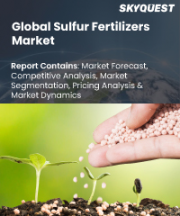
유황비료 시장 규모는 2024년에 50억 2,000만 달러로 평가되며, 2025년 51억 3,000만 달러에서 2033년까지 61억 달러로 성장할 전망입니다. 예측 기간(2026-2033년)의 CAGR은 2.2%로 예측됩니다.
유황비료 시장은 농업 종사자들 사이에서 유황이 최적의 작물 수확량을 달성하는 데 중요한 역할을 한다는 인식이 높아짐에 따라 성장하고 있습니다. 현대 농업 기술과 고매출 농업의 실천으로 인해 토양내 유황이 점차 고갈되고 있으므로 유황에 대한 수요는 증가 추세에 있습니다. 이 시장은 특히 지속가능한 농업과 환경적 책임에 대한 관심이 높아짐에 따라 이해관계자들에게 큰 성장 기회를 제공합니다. 유황비료는 토양의 결핍을 보충할 뿐만 아니라 다른 영양 공급원을 대체할 수 있는 친환경적인 대안이 될 수 있습니다. 원자재 가격 변동과 규제 제약 등의 과제가 남아있지만, 농업 부문의 지속가능한 방식과 정밀 시비 기술의 보급 확대에 따라 이 부문의 성장이 예상됩니다.
유황비료 시장 성장 촉진요인
세계 인구 증가와 식습관의 변화에 따라 작물의 수확량 증가와 품질 향상에 대한 필요성이 높아지고 있습니다. 이러한 상황에서 유황비료는 영양 흡수를 촉진하고 작물의 종합적인 품질 향상에 기여하므로 농업 생산성을 극대화하는 데 필수적입니다. 이러한 농업 수요를 충족시켜야 하는 시급한 필요성이 유황비료 시장의 성장을 촉진하는 주요 요인으로 작용하고 있습니다. 농업 종사자와 생산자들이 생산량 향상과 소비자 기대에 부응하기 위해 유황비료의 중요성이 점점 더 부각되면서 시장 확대를 견인하고 있습니다.
유황비료 시장 성장 억제요인
유황비료 시장은 과도한 또는 부적절한 사용으로 인한 잠재적 환경 영향으로 인해 몇 가지 문제에 직면해 있습니다. 이러한 비료는 수질 오염과 토양 산성화와 같은 심각한 문제를 야기할 수 있으며, 환경 운동가들과 규제 당국의 우려를 불러일으키고 있습니다. 이러한 악영향에 대한 우려가 높아짐에 따라 특히 생태계에 민감한 지역에서는 유황비료 사용을 규제하는 더 엄격한 규제가 도입되고 있습니다. 이러한 규제는 제품의 사용과 유통에 제한을 가함으로써 시장 확대를 저해할 수 있습니다. 따라서 유황비료 부문의 이해관계자들은 경쟁에서 살아남고 지속가능한 관행을 보장하기 위해 이러한 규제 상황에 대응해야 합니다.
유황비료 시장 동향
유황비료 시장은 지속가능한 농업과 유기농업에 대한 전 세계적인 관심 증가를 배경으로 눈에 띄는 추세를 보이고 있습니다. 더 많은 농업 생산자들이 토양 건강과 작물 수확량을 향상시키면서 환경에 미치는 영향을 최소화하기 위해 천연 원료에서 추출한 유기농 인증 유황비료에 대한 선호도가 높아지고 있습니다. 이러한 친환경 농법으로의 전환은 유기농업 종사자들이 지속가능성에 대한 노력에 따라 비료에 대한 우선순위를 정하면서 수요 동향에 영향을 미치고 있습니다. 그 결과, 작물의 성장을 가속할 뿐만 아니라 친환경 농업을 지원하는 인증된 유황비료의 채택이 시장에서 증가하고 있습니다.
Sulfur Fertilizers Market size was valued at USD 5.02 Billion in 2024 and is poised to grow from USD 5.13 Billion in 2025 to USD 6.1 Billion by 2033, growing at a CAGR of 2.2% during the forecast period (2026-2033).
The sulfur fertilizers market is experiencing growth driven by heightened awareness among farmers regarding sulfur's critical role in achieving optimal crop yields. With modern agricultural techniques and high-yield farming practices, the demand for sulfur is on the rise due to its gradual depletion in soils. This market presents significant opportunities for industry stakeholders, especially amidst the growing emphasis on sustainable agriculture and environmental responsibility. Sulfur fertilizers not only address soil deficiencies but also provide an eco-friendly alternative to other nutrient sources. While challenges such as fluctuating raw material costs and regulatory constraints remain, the sector is poised for expansion with the increasing adoption of sustainable practices and precision application methods in agriculture.
Top-down and bottom-up approaches were used to estimate and validate the size of the Sulfur Fertilizers market and to estimate the size of various other dependent submarkets. The research methodology used to estimate the market size includes the following details: The key players in the market were identified through secondary research, and their market shares in the respective regions were determined through primary and secondary research. This entire procedure includes the study of the annual and financial reports of the top market players and extensive interviews for key insights from industry leaders such as CEOs, VPs, directors, and marketing executives. All percentage shares split, and breakdowns were determined using secondary sources and verified through Primary sources. All possible parameters that affect the markets covered in this research study have been accounted for, viewed in extensive detail, verified through primary research, and analyzed to get the final quantitative and qualitative data.
Sulfur Fertilizers Market Segments Analysis
Global Sulfur Fertilizers Market is segmented by type, crop type, form, cultivation type, mode of application and region. Based on type, the market is segmented into sulfates, elemental sulfur and liquid sulfur fertilizers. Based on crop type, the market is segmented into cereals & grains, oilseeds & pulses, fruits & vegetables and others. Based on form, the market is segmented into dry and liquid. Based on cultivation type, the market is segmented into open field and controlled-environment agriculture. Based on mode of application, the market is segmented into soil, foliar and fertigation. Based on region, the market is segmented into North America, Europe, Asia Pacific, Latin America and Middle East & Africa.
Driver of the Sulfur Fertilizers Market
The rising global population, coupled with evolving dietary preferences, is elevating the need for increased crop yields and superior crop quality. In this context, sulfur fertilizers are essential for maximizing agricultural productivity as they enhance nutrient absorption and contribute to the overall quality of crops. The pressing requirement to satisfy these agricultural demands is a key factor propelling the growth of the sulfur fertilizers market. As farmers and producers seek effective solutions to enhance their output and meet consumer expectations, the significance of sulfur fertilizers becomes increasingly prominent, thereby driving market expansion.
Restraints in the Sulfur Fertilizers Market
The sulfur fertilizers market faces several challenges due to the potential environmental repercussions of excessive or improper usage. These fertilizers can lead to significant issues such as water pollution and soil acidification, raising alarms among environmental advocates and regulators. Growing concerns over these negative impacts have sparked the implementation of stricter regulations governing sulfur fertilizer application, particularly in ecologically sensitive regions. Such regulations may hinder market expansion by imposing limitations on the usage and distribution of these products. As a result, stakeholders in the sulfur fertilizers sector must navigate these regulatory landscapes to ensure sustainable practices while remaining competitive.
Market Trends of the Sulfur Fertilizers Market
The Sulfur Fertilizers market is experiencing a notable trend driven by the increasing global emphasis on sustainable agriculture and organic farming practices. As more agricultural producers seek to enhance soil health and crop yield while minimizing environmental impact, there is a growing preference for organic-certified sulfur fertilizers sourced from natural ingredients. This shift toward environmentally beneficial agricultural methods is influencing demand dynamics, as organic growers prioritize fertilizers that align with their commitment to sustainability. Consequently, the market is witnessing a rise in the adoption of certified sulfur fertilizers that not only promote crop growth but also support eco-friendly farming initiatives.