


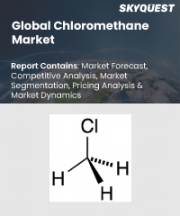
클로로메탄 시장 규모는 2024년에 54억 4,000만 달러로 평가되었고, 2025년 58억 달러에서 2033년까지 96억 7,000만 달러로 성장할 전망이며, 예측 기간(2026-2033년) CAGR은 6.6%를 보일 것으로 예측됩니다.
클로로메탄 시장은 여러 산업에서 이 화합물에 대한 수요를 충족시키는 데 필수적입니다. 실리콘 폴리머, 메틸셀룰로오스, 4급 암모늄 화합물 등 화학물질 제조의 주요 원료로 사용되며, 의약품, 농약, 화학합성의 용매로도 활용되고 있습니다. 시장 성장의 주요 촉진요인은 자동차, 건설, 전자기기 등의 분야에서 실리콘계 제품의 사용 증가입니다. 또한, 농약과 의약품 수요 증가, 혁신적인 용도의 확대도 시장 전망을 밝게 하고 있습니다. 지속 가능한 제조와 친환경 대체품에 대한 관심은 또 다른 성장 기회를 제공합니다. 환경 규제로 인한 도전은 있지만, 시장 역학 및 동향을 이해하는 것은 전략적 의사결정과 미래 전망에 있어 매우 중요합니다.
클로로메탄 시장 성장 촉진요인
클로로메탄 시장은 자동차, 건설, 전자기기 등 다양한 산업에서 중요한 역할을 하는 실리콘 폴리머에 대한 수요 증가로 인해 크게 성장하고 있습니다. 자동차 분야에서는 개스킷, 씰, 전기 부품 제조에 실리콘 폴리머가 필수적입니다. 전기자동차의 보급 확대와 첨단 전자제품 수요 증가는 실리콘 폴리머의 소비를 더욱 촉진하고 있습니다. 그 결과, 실리콘 폴리머에 대한 수요가 급증하면서 제조 공정에서 중요한 원료인 클로로메탄의 필요성이 높아져 전체 클로로메탄 시장의 추세를 강화하고 있습니다.
클로로메탄 시장 성장 억제요인
클로로메탄 시장은 인체에 대한 건강 피해와 오존층에 대한 악영향에 대한 환경 문제에 대한 우려와 인식이 높아짐에 따라 심각한 제약에 직면해 있습니다. 이러한 문제에 대응하기 위해 각국 정부와 규제 당국은 클로로메탄 사용을 줄이고 더 안전한 대체품을 촉진하기 위해 엄격한 규제를 시행하고 있습니다. 이는 높은 독성 수준으로 인해 페인트 이형제 등 특정 소비자 제품에 대한 사용 금지도 포함됩니다. 결과적으로 이러한 규제와 환경적 지속가능성에 대한 관심 증가는 클로로메탄 시장에 큰 도전이 되고 있으며, 다양한 산업 분야에서 성장과 보급을 방해하고 있습니다.
클로로메탄 시장 동향
클로로메탄 시장에서는 환경적 책임과 규제 준수에 대한 관심이 높아지면서 지속 가능한 대체품으로의 전환이 눈에 띄게 진행되고 있습니다. 제조업체와 이해관계자들은 지구온난화지수(GWP)가 낮고 오존층에 미치는 영향이 적은 하이드로플루오로올레핀(HFO)과 하이드로플루오로카본(HFC)과 같은 친환경 대체품에 대한 조사를 강화하고 있습니다. 이러한 전환은 엄격한 환경 규제를 준수할 뿐만 아니라 화학 산업의 광범위한 지속가능성 노력을 지원하기 위한 것입니다. 기후 변화와 생태계 보존에 대한 인식이 높아짐에 따라, 이러한 친환경적 대안에 대한 수요는 시장 역학을 더욱 재구성하고 클로로메탄 응용 분야의 혁신을 촉진할 것으로 예측됩니다.
Chloromethane Market size was valued at USD 5.44 Billion in 2024 and is poised to grow from USD 5.8 Billion in 2025 to USD 9.67 Billion by 2033, growing at a CAGR of 6.6% during the forecast period (2026-2033).
The chloromethane market is essential for satisfying the demand for this chemical compound across multiple industries. It serves as a key raw material in producing chemicals like silicone polymers, methyl cellulose, and quaternary ammonium compounds, and also functions as a solvent in pharmaceuticals, agrochemicals, and chemical synthesis. Market growth is driven primarily by the increasing use of silicone-based products in sectors such as automotive, construction, and electronics. Additionally, rising demand for agrochemicals and pharmaceuticals, along with innovative applications, presents a positive outlook. The focus on sustainable manufacturing and environmentally friendly alternatives further offers opportunities for growth. Despite challenges from environmental regulations, understanding market dynamics and trends is vital for strategic decision-making and future prospects.
Top-down and bottom-up approaches were used to estimate and validate the size of the Chloromethane market and to estimate the size of various other dependent submarkets. The research methodology used to estimate the market size includes the following details: The key players in the market were identified through secondary research, and their market shares in the respective regions were determined through primary and secondary research. This entire procedure includes the study of the annual and financial reports of the top market players and extensive interviews for key insights from industry leaders such as CEOs, VPs, directors, and marketing executives. All percentage shares split, and breakdowns were determined using secondary sources and verified through Primary sources. All possible parameters that affect the markets covered in this research study have been accounted for, viewed in extensive detail, verified through primary research, and analyzed to get the final quantitative and qualitative data.
Chloromethane Market Segments Analysis
Global Chloromethane Market is segmented by Product, Application and region. Based on Product, the market is segmented into Methyl Chloride, Methylene Chloride, Chloroform and Carbon Tetrachloride. Based on Application, the market is segmented into Silicone Manufacturing, Medical & Pharmaceutical, Foam Blowing, Chemical Intermediaries & Catalyst, Agrochemicals and Others. Based on region, the market is segmented into North America, Europe, Asia Pacific, Latin America and Middle East & Africa.
Driver of the Chloromethane Market
The chloromethane market is experiencing significant growth due to the rising demand for silicone polymers, which play a crucial role in various industries, including automotive, construction, and electronics. In the automotive field, silicone polymers are essential for manufacturing gaskets, seals, and electrical components. The growing popularity of electric vehicles and the increasing need for advanced electronic products have further fueled the consumption of silicone polymers. As a result, this surge in demand for silicone polymers is driving the need for chloromethane, an important raw material in their production process, thus enhancing the overall dynamics of the chloromethane market.
Restraints in the Chloromethane Market
The chloromethane market faces significant constraints due to increasing environmental concerns and awareness regarding its adverse effects on both human health and the ozone layer. In response to these issues, various governments and regulatory agencies have implemented strict regulations aimed at reducing the use of chloromethane and promoting safer alternatives. This includes banning its application in certain consumer products, such as paint removers, due to its high toxicity levels. As a result, these regulations and the heightened focus on environmental sustainability present considerable challenges for the chloromethane market, hindering its growth and adoption within various industries.
Market Trends of the Chloromethane Market
The chloromethane market is witnessing a notable shift towards sustainable alternatives, driven by an increasing emphasis on environmental responsibility and regulatory compliance. Manufacturers and stakeholders are increasingly investigating greener substitutes, including hydrofluoroolefins (HFOs) and hydrofluorocarbons (HFCs), which boast lower global warming potential (GWP) and a lesser impact on the ozone layer. This transition not only aligns with stringent environmental regulations but also supports broader sustainability initiatives within the chemical industry. As awareness of climate change and ecological preservation rises, the demand for these eco-friendlier options is expected to further reshape market dynamics and drive innovation in chloromethane applications.