


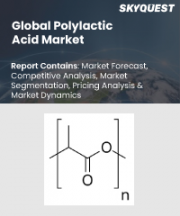
폴리유산(PLA) 시장 규모는 2024년에 21억 4,000만 달러로 평가되며, 2025년 22억 8,000만 달러에서 2033년까지 37억 4,000만 달러로 성장할 전망입니다. 예측 기간(2026-2033년)의 CAGR은 6.4%로 예측됩니다.
폴리유산(PLA)의 세계 시장은 지속가능하고 친환경적인 소재에 대한 수요 증가를 주요 요인으로 견고한 성장세를 보이고 있습니다. 옥수수 전분, 사탕수수 등 재생한 자원에서 얻어지는 생분해성 열가소성 수지인 PLA는 포장, 섬유, 자동차, 전자, 의료 등 다양한 산업 분야에서 기존 플라스틱을 능가하는 성능을 발휘하고 있습니다. 환경에 대한 인식이 높아짐에 따라 지속가능한 대체 재료로의 전환이 더욱 가속화되고 있으며, 특히 운송, 농업, 포장과 같은 최종 용도 분야에서 PLA의 채택이 증가하고 있습니다. 스낵, 레토르트 식품, 포장 식품의 소비 증가에 힘입어 유연포장 부문은 PLA 수요를 크게 확대할 것으로 예측됩니다. 저탄소발자국을 가진 폴리락산은 지속가능한 소재에 대한 수요 증가에 대한 효과적인 솔루션으로 인지도를 높이고 있으며, 향후 시장 확대에 유리한 위치를 점하고 있습니다.
폴리유산 시장 성장 촉진요인
환경 인식 증가와 기존 플라스틱의 유해한 영향에 대한 우려와 함께 친환경 대체품에 대한 수요가 급증하고 있습니다. 재생한 자원을 원료로 하고 생분해성을 갖춘 폴리유산(PLA)은 유력한 솔루션으로 각광받고 있습니다. 사회가 플라스틱 폐기물 감소를 우선시하고 탄소 배출량 감소를 목표로 하는 가운데, 폴리유산 시장은 괄목할 만한 성장을 보이고 있습니다. 이러한 지속가능한 관행으로의 전환은 환경 보호에 대한 노력을 반영할 뿐만 아니라 다양한 산업에서 보다 책임감 있는 재료 선택의 흐름에서 PLA가 중요한 역할을 할 수 있는 존재로 자리매김하고 있습니다.
폴리유산 시장 성장 억제요인
폴리유산 시장의 가장 큰 장벽은 기존 석유 유래 플라스틱에 비해 높은 제조 비용입니다. PLA 제조에는 복잡한 가공 기술과 전용 설비가 필요하며, 이는 총 비용 증가 요인이 됩니다. 이러한 비용 요소는 특히 가격 변동에 민감한 시장에서 PLA의 광범위한 보급과 활용을 제한할 수 있습니다. 기업과 소비자가 지속가능한 소재의 장점과 경제적 타당성을 비교 검토하는 가운데, PLA와 관련된 높은 비용은 소재 산업의 경쟁 환경에서 PLA의 보급과 다양한 응용 분야로의 통합에 어려움을 초래할 수 있습니다.
폴리유산 시장 동향
폴리유산(PLA) 시장은 특히 포장 분야에서 괄목할 만한 성장세를 보이고 있습니다. 이는 지속가능하고 친환경적인 솔루션에 대한 소비자의 선호도가 높아진 것이 주요 요인으로 작용하고 있습니다. 환경에 대한 인식이 높아짐에 따라 PLA는 생분해성과 저탄소 배출이라는 특성으로 인해 기존 석유 유래 플라스틱을 대체할 수 있는 대안으로 점점 더 많은 관심을 받고 있습니다. 이러한 추세는 일회용 플라스틱을 줄이고 산업 전반의 지속가능성 실천을 강화하기 위한 규제 조치에 의해 촉진되고 있습니다. 또한 PLA는 기존 포장 기술과 호환이 가능하므로 도입이 용이하여 필름, 용기, 병 등 PLA 제품에 대한 수요가 눈에 띄게 증가하고 있습니다. 이를 통해 PLA는 보다 친환경적인 포장 옵션으로의 전환에 있으며, 중요한 역할을 할 수 있는 재료로 자리매김하고 있습니다.
Polylactic Acid Market size was valued at USD 2.14 Billion in 2024 and is poised to grow from USD 2.28 Billion in 2025 to USD 3.74 Billion by 2033, growing at a CAGR of 6.4% during the forecast period (2026-2033).
The global market for polylactic acid (PLA) is witnessing robust growth, primarily driven by the escalating demand for sustainable and eco-friendly materials. As a biodegradable thermoplastic sourced from renewable resources like corn starch and sugarcane, PLA outperforms conventional plastics in various applications across industries such as packaging, textiles, automotive, electronics, and medical. The surge in environmental awareness has further catalyzed the shift towards sustainable alternatives, particularly as end-use sectors-including transportation, agriculture, and packaging-continue to embrace PLA. The flexible packaging segment, fueled by increasing consumption of snacks, ready-to-eat meals, and packaged goods, is poised to significantly enhance PLA demand. With its low carbon footprint, polylactic acid is increasingly recognized as a viable solution for the growing need for sustainable materials, positioning it favorably for future market expansion.
Top-down and bottom-up approaches were used to estimate and validate the size of the Polylactic Acid market and to estimate the size of various other dependent submarkets. The research methodology used to estimate the market size includes the following details: The key players in the market were identified through secondary research, and their market shares in the respective regions were determined through primary and secondary research. This entire procedure includes the study of the annual and financial reports of the top market players and extensive interviews for key insights from industry leaders such as CEOs, VPs, directors, and marketing executives. All percentage shares split, and breakdowns were determined using secondary sources and verified through Primary sources. All possible parameters that affect the markets covered in this research study have been accounted for, viewed in extensive detail, verified through primary research, and analyzed to get the final quantitative and qualitative data.
Polylactic Acid Market Segments Analysis
Global Polylactic Acid Market is segmented by Grade, Application, End-use industry and region. Based on Grade, the market is segmented into Thermoforming, Injection Molding, Extrusion, Blow Molding and Others. Based on Application, the market is segmented into Rigid Thermoforms, Films & Sheets, Bottles and Others. Based on End-use industry, the market is segmented into Packaging, Consumer Goods, Agriculture, Textile, Biomedical and Others. Based on region, the market is segmented into North America, Europe, Asia Pacific, Latin America and Middle East & Africa.
Driver of the Polylactic Acid Market
The surge in environmental consciousness and the associated concerns regarding the harmful effects of traditional plastics have spurred a heightened demand for eco-friendly alternatives. Polylactic acid (PLA) stands out as a viable solution, originating from renewable resources and possessing biodegradable properties. As society increasingly prioritizes the reduction of plastic waste and aims to lower carbon emissions, the polylactic acid market is experiencing notable growth. This shift towards sustainable practices not only reflects a commitment to environmental preservation but also positions PLA as a key player in the movement toward more responsible material choices in various industries.
Restraints in the Polylactic Acid Market
A significant hindrance for the polylactic acid market is the elevated production costs in comparison to conventional petroleum-based plastics. The manufacturing of PLA entails intricate processing techniques and necessitates specialized equipment, contributing to the overall expenses. This cost factor can restrict the broader acceptance and utilization of PLA, particularly in markets that are sensitive to price fluctuations. As companies and consumers weigh the benefits of sustainable materials against economic viability, the higher costs associated with PLA can pose challenges to its proliferation and integration into various applications within the competitive landscape of the materials industry.
Market Trends of the Polylactic Acid Market
The Polylactic Acid (PLA) market is experiencing significant growth, particularly within the packaging sector, driven by the escalating consumer preference for sustainable and eco-friendly solutions. As environmental consciousness rises, PLA is increasingly recognized as a viable substitute for conventional petroleum-based plastics, owing to its biodegradability and lower carbon emissions. This trend is propelled by regulatory measures aimed at reducing single-use plastics and enhancing sustainability practices across industries. Additionally, PLA's compatibility with current packaging technologies facilitates its adoption, resulting in a notable increase in demand for PLA-based products such as films, containers, and bottles, positioning PLA as a key player in the shift towards greener packaging options.