


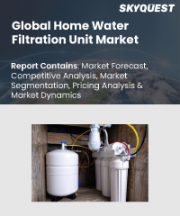
가정용 정수기 시장 규모는 2024년에 66억 3,000만 달러로 평가되었고, 2025년 69억 7,000만 달러에서 2033년까지 104억 6,000만 달러로 성장할 전망이며, 예측 기간(2026-2033년) CAGR은 5.2%를 보일 것으로 예측됩니다.
세계 가정용 정수기 시장은 수질과 건강에 미치는 영향에 대한 소비자의 인식 향상에 힘입어 괄목할 만한 성장세를 보이고 있습니다. 수돗물에 포함된 유해한 오염물질과 독소에 대한 우려가 커지면서 깨끗하고 안전한 식수에 대한 수요가 급증하고 있습니다. 이러한 추세는 지속 가능한 관행으로의 전환으로 더욱 가속화되고 있으며, 소비자들은 일회용 플라스틱 병을 대체할 수 있는 친환경적인 대안을 찾고 있습니다. 제조업체들은 이에 대응하여 첨단 여과 기술의 혁신과 도입을 추진하고 있습니다. 시장 기업들 간의 경쟁이 심화되고 있으며, 그 결과 다양한 가격대에서 보다 다양한 제품이 제공되고 있습니다. 전반적으로 안전과 품질이 소비자들에게 최우선 순위로 떠오르면서 가정용 정수기 시장은 상승세를 유지할 것으로 예측됩니다.
가정용 정수기 시장 성장 촉진요인
가정용 정수기 시장을 이끄는 중요한 요인은 식수와 관련된 건강 및 환경 위험에 대한 소비자의 인식이 높아진 것입니다. 납, 염소, 미세플라스틱 등 오염물질에 대한 우려가 커지면서 많은 가정이 일회용 플라스틱 병에서 정수 시스템으로 전환하고 있습니다. 이러한 변화는 건강에 대한 인식이 높아졌음을 보여줄 뿐만 아니라, 보다 지속 가능하고 효율적인 정수 솔루션에 대한 수요를 촉진하고 있습니다. 그 결과, 소비자들이 가정에서 깨끗하고 안전한 식수를 확보할 수 있는 신뢰할 수 있는 선택지를 찾고 있으며, 이러한 추세는 시장의 혁신과 확장을 주도하고 있습니다.
가정용 정수기 시장 성장 억제요인
가정용 정수기 시장이 직면한 가장 큰 도전은 복잡하고 끊임없이 변화하는 규제 상황입니다. 각 제조업체들은 지역마다 다른 다양한 인증 기준과 수질 규제에 대응해야 하며, 이를 위해 많은 자원을 투입해야 하는 경우가 많습니다. 자사 제품이 이러한 다양한 기준을 충족하도록 보장하기 위해서는 비용과 시간이 필요합니다. 잠재적인 법적 문제를 줄이고 비준수로 인한 브랜드 평판에 대한 부정적인 영향으로부터 보호하기 위해 기업은 지속적인 컴플라이언스 대책에 대한 투자를 아끼지 말아야 합니다. 이러한 끊임없는 적응과 실사의 필요성은 업계 내 성장과 혁신을 저해하는 요인이 될 수 있습니다.
가정용 정수기 시장 동향
가정용 정수기 시장에서는 환경문제에 대한 소비자의 인식이 높아지면서 지속가능성에 대한 큰 전환이 일어나고 있습니다. 기존의 물 여과 시스템이 생태계에 미치는 영향에 대한 인식이 높아지면서 친환경 대체품에 대한 수요가 증가하고 있습니다. 이러한 추세에 따라 제조업체들은 재활용 가능한 소재의 사용, 내구성 향상, 플라스틱 폐기물 감소를 실현한 여과 장치 개발을 통해 혁신을 추진하고 있습니다. 또한, 이러한 지속 가능한 솔루션은 환경 보호에 대한 광범위한 노력의 일환으로 마케팅되고 있으며, 책임감 있는 선택을 원하는 소비자의 관심을 끌고 있습니다. 전반적으로, 지속 가능한 정수 옵션에 대한 강조가 시장을 재구성하고 구매 결정에 영향을 미치고 있습니다.
Home Water Filtration Unit Market size was valued at USD 6.63 Billion in 2024 and is poised to grow from USD 6.97 Billion in 2025 to USD 10.46 Billion by 2033, growing at a CAGR of 5.2% during the forecast period (2026-2033).
The global home water filtration unit market is experiencing notable growth driven by increasing consumer awareness regarding water quality and its impact on health. As concerns about harmful pollutants and toxins in tap water rise, the demand for clean, safe drinking water has surged. This trend is further fueled by a shift towards sustainable practices, with consumers seeking eco-friendly alternatives to single-use plastic bottles. Manufacturers are responding by innovating and introducing advanced filtration technologies. The competition among market players is intensifying, resulting in a wider variety of product offerings at different price points. Overall, as safety and quality remain top priorities for consumers, the market for home water filtration units is expected to maintain its upward trajectory.
Top-down and bottom-up approaches were used to estimate and validate the size of the Home Water Filtration Unit market and to estimate the size of various other dependent submarkets. The research methodology used to estimate the market size includes the following details: The key players in the market were identified through secondary research, and their market shares in the respective regions were determined through primary and secondary research. This entire procedure includes the study of the annual and financial reports of the top market players and extensive interviews for key insights from industry leaders such as CEOs, VPs, directors, and marketing executives. All percentage shares split, and breakdowns were determined using secondary sources and verified through Primary sources. All possible parameters that affect the markets covered in this research study have been accounted for, viewed in extensive detail, verified through primary research, and analyzed to get the final quantitative and qualitative data.
Home Water Filtration Unit Market Segments Analysis
Global Home Water Filtration Unit Market is segmented by Product Type, Category, Application and region. Based on Product Type, the market is segmented into Point-of-use Filters and Point-of-entry Filters. Based on Category, the market is segmented into RO Filters, UV Filters, Gravity Filters and Others. Based on Application, the market is segmented into Residential and Light Commercial. Based on region, the market is segmented into North America, Europe, Asia Pacific, Latin America and Middle East & Africa.
Driver of the Home Water Filtration Unit Market
A significant factor propelling the home water filtration unit market is the heightened awareness among consumers regarding the health and environmental hazards linked to drinking water. As concerns regarding contaminants such as lead, chlorine, and microplastics rise, many households are making the transition away from single-use plastic bottles in favor of water filtration systems. This shift not only reflects a growing commitment to health but also promotes the demand for more sustainable and efficient filtration solutions. Consequently, this trend is driving innovation and fostering expansion within the market, as consumers seek reliable options to ensure clean, safe drinking water in their homes.
Restraints in the Home Water Filtration Unit Market
A significant challenge facing the home water filtration unit market is the intricate and ever-changing regulatory landscape. Manufacturers must navigate a multitude of certification standards and water quality regulations specific to various regions, often requiring substantial resources. Ensuring that their products meet these diverse criteria can be both costly and time-consuming. To mitigate potential legal issues and protect their brand reputation from the repercussions of non-compliance, companies must remain vigilant and committed to ongoing investments in compliance measures. This constant need for adaptation and due diligence can hinder growth and innovation within the industry.
Market Trends of the Home Water Filtration Unit Market
The home water filtration unit market is witnessing a significant shift towards sustainability, driven by increasing consumer awareness of environmental issues. As individuals become more conscious of the ecological impact of traditional water filtration systems, there is a growing preference for eco-friendly alternatives. This trend has prompted manufacturers to innovate by creating filtration units that utilize recyclable materials, enhance durability, and minimize plastic waste. Additionally, these sustainable solutions are marketed as part of a broader commitment to environmental stewardship, appealing to consumers seeking to make responsible choices. Overall, the emphasis on sustainable filtration options is reshaping the marketplace and influencing purchase decisions.