


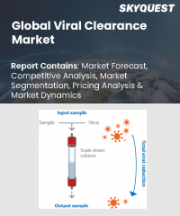
바이러스 제거 시장 규모는 2024년에 6,218억 3,000만 달러로 평가되었고, 2025년 7,219억 5,000만 달러에서 2033년까지 2조 3,832억 1,000만 달러로 성장할 전망이며, 예측 기간(2026-2033년) CAGR은 16.1%를 보일 것으로 예측됩니다.
바이러스 제거는 단클론 항체, 재조합 단백질, 당단백질, 의료기기 등 제품의 안전성을 확보하기 위해 필수적입니다. 이러한 제품은 바이러스 오염 및 기타 불순물에 취약하기 때문입니다. 바이러스, 박테리아, 곰팡이의 위협은 세포 배양, 원료, 바이오프로세싱 단계를 손상시킬 수 있습니다. 그 결과, 이러한 위험을 줄이기 위한 강력한 바이러스 안전 프로토콜에 대한 수요가 증가하고 있습니다. 바이러스 제거 시장은 제약 및 생명공학 분야에 대한 투자 확대와 백신 및 생물학적 제제에 대한 수요 증가로 인해 크게 성장하고 있습니다. 업계가 제품 안전성 향상에 초점을 맞추고 있는 가운데, 효과적인 바이러스 제거 방법의 도입은 제조 공정의 성공에 중요한 요소로 자리 잡고 있으며, 이 분야의 혁신과 성장 전망을 촉진하고 있습니다.
바이러스 제거 시장 성장 촉진요인
세계 바이러스 제거 시장의 주요 시장 성장 촉진요인은 생물학적 제제를 통한 바이러스 전파에 대한 우려가 높아지면서 안전하고 효과적인 바이오 의약품에 대한 수요가 증가하고 있다는 점입니다. 생명공학 및 제약업계가 치료법 포트폴리오를 확대함에 따라, 특히 단클론 항체, 백신, 유전자 치료 등의 분야에서 규제 당국은 바이러스 안전성에 대한 보다 엄격한 가이드라인을 시행하고 있습니다. 이러한 감시 강화로 인해 강력한 바이러스 제거 검증 프로세스가 시급히 요구되고 있으며, 바이러스 제거 시스템의 신뢰성과 유효성을 보장하는 첨단 기술 및 조사 방법에 대한 투자가 촉진되어 궁극적으로 시장 성장을 견인하고 있습니다.
바이러스 제거 시장 성장 억제요인
세계 바이러스 제거 시장의 가장 큰 시장 성장 억제요인은 바이러스 제거 테스트 프로세스에 따른 높은 비용입니다. 이러한 테스트에 필요한 첨단 기술과 특수 장비는 연구소와 제조업체의 운영 비용 증가로 이어집니다. 또한, 엄격한 규제 준수와 광범위한 적격성 확인 및 검증 테스트의 필요성은 비용을 더욱 증가시켜 중소기업과 스타트업 시장 진입에 재정적 장벽으로 작용하고 있습니다. 또한, 시험 기간이 길어지면 제품 개발 및 시장 출시가 지연될 수 있으며, 바이러스 제거 분야에 대한 투자와 혁신을 저해하고 궁극적으로 시장 성장을 저해할 수 있습니다.
바이러스 제거 시장 동향
바이러스 제거 시장에서는 제네릭 의약품과 바이오시밀러에 대한 수요 증가를 배경으로 두드러진 추세를 보이고 있습니다. 이는 전 세계적으로 만성 질환에 대한 비용 효율적인 치료 솔루션의 필요성을 강조하고 있습니다. 이러한 채용 확대는 재조합 단백질 및 기타 생물학적 제제의 안전성과 유효성을 보장하기 위해 강력한 바이러스 제거 연구 방법의 필요성을 강조하고 있습니다. 생산 공정에 혁신적인 기술을 통합하여 비당화 단백질의 복잡성을 해결하면서 바이러스 안전성을 높이고 있습니다. 의료 제공업체와 규제 당국이 환자 안전을 최우선 과제로 삼고 있는 가운데, 바이러스 제거 솔루션 시장은 크게 확대되어 생물학적 제제 및 치료제 개발의 미래를 형성할 것으로 예측됩니다.
Viral Clearance Market size was valued at USD 621.83 Billion in 2024 and is poised to grow from USD 721.95 Billion in 2025 to USD 2383.21 Billion by 2033, growing at a CAGR of 16.1% during the forecast period (2026-2033).
Viral clearance is essential for ensuring the safety of products like monoclonal antibodies, recombinant proteins, glycoproteins, and medical devices, as these are susceptible to viral contamination and other impurities. The threat of viruses, bacteria, and fungi can compromise cell culture, raw materials, and bioprocessing stages. Consequently, there is a growing demand for robust viral safety protocols to mitigate these risks. The market for viral clearance is significantly boosted by heightened investments in the pharmaceutical and biotechnology sectors, alongside an increasing need for vaccines and biotherapeutic agents. As the industry focuses on enhancing product safety, the implementation of effective viral clearance methods is becoming a critical component of successful manufacturing practices, driving innovation and growth prospects within this domain.
Top-down and bottom-up approaches were used to estimate and validate the size of the Viral Clearance market and to estimate the size of various other dependent submarkets. The research methodology used to estimate the market size includes the following details: The key players in the market were identified through secondary research, and their market shares in the respective regions were determined through primary and secondary research. This entire procedure includes the study of the annual and financial reports of the top market players and extensive interviews for key insights from industry leaders such as CEOs, VPs, directors, and marketing executives. All percentage shares split, and breakdowns were determined using secondary sources and verified through Primary sources. All possible parameters that affect the markets covered in this research study have been accounted for, viewed in extensive detail, verified through primary research, and analyzed to get the final quantitative and qualitative data.
Viral Clearance Market Segments Analysis
Global Viral Clearance Market is segmented by method, application, end-user and region. Based on method, the market is segmented into viral removal method, viral inactivation method and viral detection method. Based on application, the market is segmented into blood and blood products, recombinant proteins, cellular & gene therapy products and vaccines. Based on end-user, the market is segmented into pharmaceutical and biotech industry, academic research institutes and cros. Based on region, the market is segmented into North America, Europe, Asia Pacific, Latin America and Middle East & Africa.
Driver of the Viral Clearance Market
A key market driver for the Global Viral Clearance Market is the increasing demand for safe and effective biopharmaceutical products, amid growing concerns regarding the transmission of viruses through biologics. As the biotechnology and pharmaceutical industries expand their portfolios of therapies, particularly in areas like monoclonal antibodies, vaccines, and gene therapies, regulatory bodies are enforcing stricter guidelines for viral safety. This heightened scrutiny prompts an urgent need for robust viral clearance validation processes, spurring investments in advanced technologies and methodologies that ensure the reliability and efficacy of viral clearance systems, ultimately driving market growth.
Restraints in the Viral Clearance Market
A significant market restraint for the Global Viral Clearance Market is the high costs associated with viral clearance testing processes. The sophisticated technology and specialized equipment required for these tests lead to increased operational expenses for laboratories and manufacturers. Additionally, strict regulatory compliance and the need for extensive qualification and validation studies further escalate costs, making it financially challenging for smaller companies and startups to enter the market. Furthermore, the lengthy testing timelines can delay product development and market introduction, which may deter investment and innovation in the viral clearance sector, ultimately hindering market growth.
Market Trends of the Viral Clearance Market
The Viral Clearance market is witnessing a notable trend driven by the rising demand for generics and biosimilars, underscoring the need for cost-effective therapeutic solutions for chronic diseases globally. This surge in adoption emphasizes the necessity for robust viral clearance methodologies to ensure the safety and efficacy of recombinant proteins and other biologics. Innovative technologies are increasingly being integrated into production processes, enhancing viral safety while addressing the complexities of non-glycosylated proteins. As healthcare providers and regulatory bodies prioritize patient safety, the market for viral clearance solutions is expected to expand significantly, shaping the future of biologics and therapeutic development.