


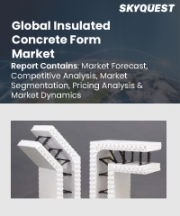
단열 콘크리트 폼(ICF) 시장 규모는 2024년에 14억 2,000만 달러로 평가되었고, 2025년 15억 달러에서 2033년까지 23억 9,000만 달러로 성장할 전망이며, 예측 기간(2026년-2033년) CAGR은 5.97%를 보일 것으로 예측됩니다.
세계 단열 콘크리트 폼(ICF) 시장은 주로 건설 분야에서 에너지 효율에 대한 관심이 높아짐에 따라 주도되고 있습니다. ICF 시스템은 우수한 단열성을 제공하여 공조용 에너지 소비를 줄여줍니다. 기후 변화에 대한 인식이 높아짐에 따라 정부 정책과 건축 규제가 지속가능한 건설을 촉진하고 있으며, 이는 ICF 기술의 매력을 높이고 있습니다. 철근콘크리트와 단열폼으로 구성된 ICF 구조물의 고유한 내구성과 내성은 허리케인, 지진 등 가혹한 기상조건에도 견딜 수 있어 재해 다발지역에서 수요를 불러일으키고 있습니다. 또한, 전 세계가 친환경 건축물로 전환하는 가운데, 특히 친환경 인증이 시장에서 인지도가 높아짐에 따라 ICF는 탄소 배출량 감소, 에너지 효율 향상, 건설 폐기물 최소화를 통해 그 채택을 더욱 촉진하고 있습니다.
단열 콘크리트 폼(ICF) 시장 성장 촉진요인
단열 콘크리트 폼(ICF) 시장은 허리케인, 지진, 산불과 같은 혹독한 기상 현상에 대한 탁월한 내성을 제공하는 ICF의 뛰어난 구조적 무결성에 의해 주도되고 있습니다. 이러한 본질적인 강도는 안전과 내구성이 최우선인 자연재해 위험이 높은 지역에서 ICF를 선호하는 선택이 되고 있습니다. ICF를 활용함으로써 건설업체는 기존 건축기술과 차별화되는 구조물의 보호성과 내구성 향상을 실현할 수 있습니다. 그 결과, 환경 문제에 직면하여 안정성과 안정성을 보장하는 신뢰할 수 있는 솔루션을 원하는 주택 소유자 및 개발업체들이 ICF에 대한 수요가 증가하고 있습니다.
단열 콘크리트 폼(ICF) 시장 성장 억제요인
단열콘크리트폼(ICF)의 건축 분야 도입은 지역마다 다른 건축 기준과 규제로 인해 장벽에 부딪힐 수 있습니다. 이러한 규제는 종종 특정 요건을 준수해야 하는 경우가 많아 승인 절차를 복잡하게 만들고, 허가 취득에 필요한 절차를 증가시킵니다. 이러한 문제는 특히 건축 규제가 엄격한 지역에서 ICF의 폭넓은 수용과 활용을 방해할 수 있습니다. 이러한 규제 상황에 대한 대응이 필요하기 때문에 건설업체와 개발업체는 ICF가 제공하는 이점을 충분히 활용하는 것을 주저할 수 있으며, 그 결과 이 분야 시장 성장과 혁신이 제한될 수 있습니다.
단열 콘크리트 폼(ICF) 시장 동향
단열 콘크리트 폼(ICF) 시장은 건설 업계의 지속가능성과 에너지 효율성에 대한 관심이 높아짐에 따라 괄목할만한 성장세를 보이고 있습니다. 발포 폴리스티렌, 압출 폴리스티렌 등의 단열재를 콘크리트로 채운 상호 연결 시스템인 ICF는 우수한 단열성, 구조적 강도, 열 성능으로 알려져 있으며, 지속 가능한 건축 솔루션에 대한 수요 증가에 부응하고 있습니다. 이러한 추세는 환경 의식 증가, 에너지 절약 추진 움직임, 그리고 에너지 소비 감소, 이산화탄소 배출량 감소, 실내 쾌적성 향상, 장기적인 내구성과 같은 ICF의 매력적인 장점에 의해 촉진되고 있습니다. 또한, 에너지 절약형 건축기법의 보급을 위한 정부 및 규제 당국의 지원책이 ICF 시장 확대를 더욱 가속화하고 있습니다.
Insulated Concrete Form Market size was valued at USD 1.42 Billion in 2024 and is poised to grow from USD 1.5 Billion in 2025 to USD 2.39 Billion by 2033, growing at a CAGR of 5.97% during the forecast period (2026-2033).
The global Insulated Concrete Form (ICF) market is primarily driven by the increasing emphasis on energy efficiency in construction. ICF systems provide exceptional thermal insulation, leading to reduced energy consumption for climate control. With heightened awareness of climate change, governmental policies and building regulations are promoting sustainable construction, which boosts the appeal of ICF technology. The inherent durability and resilience of ICF structures, made from reinforced concrete and insulating foam, enable them to endure harsh weather conditions such as hurricanes and earthquakes, attracting demand in disaster-prone areas. Additionally, the rising global shift towards green buildings further supports ICF adoption by lowering carbon emissions, enhancing energy efficiency, and minimizing construction waste, especially as green certifications gain traction in the market.
Top-down and bottom-up approaches were used to estimate and validate the size of the Insulated Concrete Form market and to estimate the size of various other dependent submarkets. The research methodology used to estimate the market size includes the following details: The key players in the market were identified through secondary research, and their market shares in the respective regions were determined through primary and secondary research. This entire procedure includes the study of the annual and financial reports of the top market players and extensive interviews for key insights from industry leaders such as CEOs, VPs, directors, and marketing executives. All percentage shares split, and breakdowns were determined using secondary sources and verified through Primary sources. All possible parameters that affect the markets covered in this research study have been accounted for, viewed in extensive detail, verified through primary research, and analyzed to get the final quantitative and qualitative data.
Insulated Concrete Form Market Segments Analysis
Global Insulated Concrete Form Market is segmented by Type, Material, End-Use Industry, and region. Based on Type, the market is segmented into Flat Wall Systems, Grid Systems, and Post and Lintel Systems. Based on Material, the market is segmented into Expanded Polystyrene Foam, Polyurethane Foam, and Others. Based on End-Use Industry, the market is segmented into Residential, and Non-Residential. Based on region, the market is segmented into North America, Europe, Asia Pacific, Latin America and Middle East & Africa.
Driver of the Insulated Concrete Form Market
The Insulated Concrete Form (ICF) market is driven by the remarkable structural integrity of ICFs, which offer outstanding resilience against severe weather events such as hurricanes, earthquakes, and wildfires. This intrinsic strength makes ICFs a preferred choice, especially in areas vulnerable to natural disasters, where safety and durability are paramount. By utilizing ICFs, builders can achieve enhanced protection and longevity in their structures, distinguishing them from conventional construction techniques. Consequently, the demand for ICFs is growing as homeowners and developers seek reliable solutions that ensure stability and peace of mind in the face of environmental challenges.
Restraints in the Insulated Concrete Form Market
The adoption of Insulated Concrete Forms (ICFs) in construction can face obstacles due to the varying building codes and regulations imposed by different regions. These mandates often necessitate compliance with specific requirements, which can complicate the approval process and increase the procedural steps needed for permits. Such challenges may hinder the broader acceptance and use of ICFs, particularly in places where building regulations are more rigorous. The need to navigate these regulatory landscapes can deter builders and developers from fully embracing the advantages that ICFs offer, thereby restricting market growth and innovation in this sector.
Market Trends of the Insulated Concrete Form Market
The Insulated Concrete Form (ICF) market is experiencing significant growth as the construction industry increasingly prioritizes sustainability and energy efficiency. ICF systems, which utilize interconnected insulating materials such as expanded polystyrene or extruded polystyrene filled with concrete, are recognized for their superior insulation, structural integrity, and thermal performance, catering to the growing demand for sustainable building solutions. This trend is propelled by heightened environmental awareness, a push for energy conservation, and the compelling benefits of ICF, including reduced energy consumption, lower carbon emissions, enhanced indoor comfort, and long-lasting durability. Additionally, supportive initiatives from governments and regulatory agencies, aimed at promoting energy-efficient building practices, further catalyze the expansion of the ICF market.