


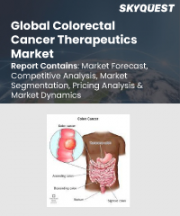
대장암 치료제 시장의 규모는 2024년에 127억 7,000만 달러로 평가되었고, 2025년 134억 달러에서 2033년까지 196억 4,000만 달러로 성장할 전망입니다. 예측기간(2026-2033년)의 CAGR은 4.9%로 예측됩니다.
대장암 치료제 시장은 대장암세포의 증식, 전이, 재발을 억제하는 것을 목적으로 한 다양한 치료제가 특징이며, 주로 효과를 높이기 위해 병용됩니다. 진행 중인 연구나 임상시험에서는 대장암 환자용으로 설계된 혁신적인 치료법의 발견에 초점을 맞추고 있습니다. 이 광범위한 시장은 암세포의 증식을 억제하고, 세포 사멸을 유도하며, 질병 진행과 관련된 주요 경로를 억제하도록 설계된 화학 요법, 표적 요법 및 면역 요법을 포함합니다. 세계적인 대장암 발병률의 상승은 시장 확대의 중요한 추진력이 되어, 효과적인 치료 솔루션의 필요성을 드러내고 있습니다. 게다가, 생물학적 제형의 바이오시밀러가 대두되면서 경쟁을 촉진하고 치료 비용을 낮춰 환자에게 보다 저렴한 치료 옵션을 제공합니다.
대장암 치료제 시장의 촉진요인
세계의 대장암 치료제 시장의 주요 촉진요인 중 하나는 세계적으로 대장암의 유병률이 증가하고 있다는 것입니다. 고령화, 생활습관의 변화, 식습관 등의 요인이 발병률의 상승에 기여하고 있으며, 혁신적인 치료법 수요 증가를 촉진하고 있습니다. 게다가, 맞춤형 의료나 표적 요법의 진보에 의해 치료 효과가 향상되어 이 분야에 대한 투자를 유도하고 연구 개발을 촉진하고 있습니다. 조기 발견과 예방책에 대한 인식이 높아지고 보다 종합적인 스크리닝 프로그램이 도입되면서 효과적인 치료제의 필요성이 더욱 높아지고 시장의 견조한 성장 환경을 조성하고 있습니다.
대장암 치료제 시장의 억제요인
세계의 대장암 치료제 시장에서 주요 억제요인 중 하나는 높은 치료 비용 및 관련 건강 관리 비용입니다. 생물학적 제제와 표적 치료를 포함한 대부분의 첨단 치료는 비용이 높으며 환자의 치료에 대한 접근과 처방된 치료 계획의 준수를 제한할 수 있습니다. 이러한 경제적 부담은 개별 환자에게 영향을 미칠 뿐만 아니라 건강 관리 시스템과 보험 회사에도 압력을 가하여 자가 부담 비용을 증가시킬 수 있습니다. 게다가 지역별로 환급 정책에 편차가 있기 때문에 치료 가용성에 격차가 생겨 시장 성장을 방해하고 혁신적인 치료법의 보급을 제한할 수 있습니다.
대장암 치료제 시장의 동향
대장암 치료제 시장에서는 치료 옵션의 변혁기를 나타내는 면역요법의 채용 확대라는 큰 전환이 일어나고 있습니다. 특히 고빈도 현미부수체 불안정성(MSI-H) 종양을 가진 환자에서 면역관문 억제제와 암 백신의 효능이 점점 인식되면서 치료 옵션이 확대되고 있습니다. 새로운 면역요법제의 지속적인 등장과 기존의 화학요법과의 혁신적인 병용요법으로 생존기간 연장과 삶의 질의 전반적인 개선을 통해 환자의 치료 예후가 향상되고 있습니다. 이러한 치료법의 인지도와 적용 범위의 확대에 따라, 대장암 치료에서 표준적인 의료 관행의 재정의가 기대되고 있습니다.
Colorectal Cancer Therapeutics Market size was valued at USD 12.77 Billion in 2024 and is poised to grow from USD 13.4 Billion in 2025 to USD 19.64 Billion by 2033, growing at a CAGR of 4.9% during the forecast period (2026-2033).
The colorectal cancer therapeutics market is characterized by a diverse array of treatments aimed at inhibiting the growth, spread, and recurrence of colorectal cancer cells, often administered in combination to enhance efficacy. Ongoing research and clinical trials focus on discovering innovative therapeutic options tailored for colorectal cancer patients. This extensive market encompasses chemotherapy, targeted therapies, and immunotherapies designed to reduce cancer cell proliferation, induce apoptosis, and disrupt key pathways associated with disease progression. The rising incidence of colorectal cancer worldwide serves as a significant driver for market expansion, underscoring the need for effective treatment solutions. Additionally, the rise of biosimilars for biologic drugs enhances competition and may lower treatment costs, offering patients more affordable therapeutic alternatives.
Top-down and bottom-up approaches were used to estimate and validate the size of the Colorectal Cancer Therapeutics market and to estimate the size of various other dependent submarkets. The research methodology used to estimate the market size includes the following details: The key players in the market were identified through secondary research, and their market shares in the respective regions were determined through primary and secondary research. This entire procedure includes the study of the annual and financial reports of the top market players and extensive interviews for key insights from industry leaders such as CEOs, VPs, directors, and marketing executives. All percentage shares split, and breakdowns were determined using secondary sources and verified through Primary sources. All possible parameters that affect the markets covered in this research study have been accounted for, viewed in extensive detail, verified through primary research, and analyzed to get the final quantitative and qualitative data.
Colorectal Cancer Therapeutics Market Segments Analysis
Global Colorectal Cancer Therapeutics Market is segmented by Drug Class, Cancer Type, Distribution Channel, and region. Based on Drug Class, the market is segmented into Chemotherapy, Immunotherapy, and Others. Based on Cancer Type, the market is segmented into Colorectal Adenocarcinoma, Gastrointestinal Carcinoid Tumors, and Others. Based on Distribution Channel, the market is segmented into Hospital Pharmacies, Retail Pharmacies, Online Pharmacies, and Others. Based on region, the market is segmented into North America, Europe, Asia Pacific, Latin America and Middle East & and Africa.
Driver of the Colorectal Cancer Therapeutics Market
One of the key market drivers for the global colorectal cancer therapeutics market is the increasing prevalence of colorectal cancer worldwide. Factors such as aging populations, lifestyle changes, and dietary habits contribute to higher incidence rates, prompting a growing demand for innovative treatment options. Additionally, advancements in personalized medicine and targeted therapies are enhancing treatment efficacy, thus attracting investments and driving research and development in this sector. Increased awareness about early detection and preventive measures, along with more comprehensive screening programs, are further amplifying the need for effective therapeutics, creating a robust growth environment for the market.
Restraints in the Colorectal Cancer Therapeutics Market
One significant market restraint for the global colorectal cancer therapeutics market is the high cost of treatment and associated healthcare expenses. Many advanced therapies, including biologics and targeted treatments, come with substantial price tags that can limit patient access and adherence to prescribed regimens. This financial burden not only affects individual patients but also puts pressure on healthcare systems and insurers, potentially leading to increased out-of-pocket costs. Additionally, the variability in reimbursement policies across regions can create disparities in treatment availability, hindering market growth and limiting the reach of innovative therapies.
Market Trends of the Colorectal Cancer Therapeutics Market
The Colorectal Cancer Therapeutics market is witnessing a significant shift towards the increasing adoption of immunotherapy, marking a transformative phase in treatment options. Immune checkpoint inhibitors and cancer vaccines are being increasingly recognized for their efficacy, particularly in patients with high microsatellite instability (MSI-H) tumors, thereby expanding the treatment landscape. The continued emergence of new immunotherapy agents, coupled with innovative combinations alongside conventional chemotherapy, is enhancing patient outcomes by prolonging survival and improving overall quality of life. As awareness and application of these therapies grow, they are expected to redefine standard care practices in colorectal cancer management.