


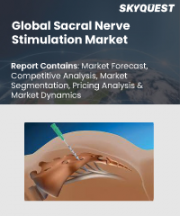
세계의 천골신경자극 시장 규모는 2024년에 13억 7,000만 달러로 평가되었고, 2025년 15억 6,000만 달러에서 2033년까지 44억 6,000만 달러로 성장할 전망입니다. 예측 기간(2026-2033년)에 있어서 CAGR은 14%를 나타낼 것으로 예상됩니다.
세계의 천골신경자극 시장은 요로감염증(UTI), 과활동 방광(OAB), 편실금 등의 상태를 포함한 절박성 요실금의 발생률 상승에 견인되어 현저한 성장을 이루고 있습니다. SNS는 천골 신경에 정밀한 전기 임펄스를 보내고 신경 채널과 방광 제어에 영향을 미치는 장치의 임베딩을 수반합니다. 이 치료법은 기존의 치료법이나 약제로 효과를 얻을 수 없는 환자에게 특히 안전성과 효능이 인정되고 있습니다. 성인 인구, 특히 여성의 상당수가 요실금에 시달리고 있으며, SNS는 이러한 분들의 생활의 질(QOL) 향상에 기여합니다. 게다가, 특히 노인의 편실금 유병률 증가는 개인이 직면하는 삶의 질과 사회적 과제를 모두 다루는 SNS 장치 시장 수요를 더욱 뒷받침하고 있습니다.
세계의 천골신경자극 시장 성장 촉진요인
세계 천골신경자극 시장의 성장은 절박성 요실금 증가 추세에 더하여 과활동 방광(OAB)과 대변실금을 경험하는 환자 수의 현저한 증가에 크게 영향을 받고 있습니다. 전통적인 치료법이나 약제치료로 개선이 보이지 않았던 분들에게 SNS는 효과적인 치료 옵션으로 대두해 왔습니다. 특히 고령층에 있어서 요실금이나 편실금 등의 기능장애가 보다 일반적이 됨에 따라 SNS 디바이스 수요가 높아지고 있습니다. 이 수요는 환자의 삶의 질을 향상시키고 방광 기능을 개선하며 이러한 증상이 일상 생활에 미치는 영향을 줄이는 긴급한 필요성에 의해 추진되고 있습니다.
세계의 천골신경자극 시장 성장 억제요인
세계의 천골신경자극 시장이 직면한 현저한 과제는 SNS 장치와 치료 절차에 수반되는 엄청난 경제적 부담입니다. 이러한 장치의 구매 및 유지와 관련된 총 비용은 환자와 의료 시스템 모두에 중요한 장벽이 되었습니다. 여기에는 장치 가격뿐만 아니라 외과적 개입, 경과관찰 진단, 발생할 수 있는 합병증과 관련된 비용도 포함됩니다. 게다가, 의료보험자에 의한 제한적인 상환 정책은 SNS 치료를 요구하는 환자의 접근 문제를 악화시킬 수 있습니다. 이러한 경제적 장벽은 특히 의료 자원과 예산이 제한된 지역에서 보급의 방해가 되어 시장 확대를 제한할 우려가 있습니다.
세계의 천골신경자극 시장 동향
세계의 천골신경자극 시장에서는 장치의 소형화와 무선기술의 통합을 위한 변혁적인 경향을 볼 수 있습니다. 제조업체는 낮은 침습 치료 옵션에 대한 수요가 증가함에 따라 환자의 편안함과 편의성을 향상시키는 작고 컴팩트 한 SNS 시스템 설계에 주력하고 있습니다. 이 진화는 이식 과정을 단순화할 뿐만 아니라 수술 후 합병증 위험을 최소화하고 환자의 치료 결과를 향상시킵니다. 또한 무선 기능의 통합은 고도의 환자 모니터링과 원격 프로그래밍을 가능하게 하고, 맞춤 치료 전략의 실현과 정기적인 통원의 필요성을 줄일 수 있습니다. 이는 개인화된 의료 솔루션에 대한 수요 증가와 일치합니다.
Global Sacral Nerve Stimulation (SNS) Market size was valued at USD 1.37 Billion in 2024 and is poised to grow from USD 1.56 Billion in 2025 to USD 4.46 Billion by 2033, growing at a CAGR of 14% during the forecast period (2026-2033).
The global market for Sacral Nerve Stimulation (SNS) is witnessing significant growth, driven by the rising occurrence of urge incontinence, including conditions like Urinary Tract Infections (UTI), Overactive Bladder (OAB), and fecal incontinence. SNS entails the implantation of a device that delivers precise electrical impulses to the sacral nerves, thereby influencing neural pathways and bladder control. This treatment is recognized for its safety and efficacy, particularly for patients not benefiting from traditional therapies or medications. A substantial portion of the adult population, especially women, is affected by urinary incontinence, with SNS enhancing their quality of life. Additionally, the increasing prevalence of fecal incontinence, particularly among the elderly, further propels market demand for SNS devices, addressing both quality of life and social challenges faced by individuals.
Top-down and bottom-up approaches were used to estimate and validate the size of the Global Sacral Nerve Stimulation (SNS) market and to estimate the size of various other dependent submarkets. The research methodology used to estimate the market size includes the following details: The key players in the market were identified through secondary research, and their market shares in the respective regions were determined through primary and secondary research. This entire procedure includes the study of the annual and financial reports of the top market players and extensive interviews for key insights from industry leaders such as CEOs, VPs, directors, and marketing executives. All percentage shares split, and breakdowns were determined using secondary sources and verified through Primary sources. All possible parameters that affect the markets covered in this research study have been accounted for, viewed in extensive detail, verified through primary research, and analyzed to get the final quantitative and qualitative data.
Global Sacral Nerve Stimulation (SNS) Market Segments Analysis
Global Sacral Nerve Stimulation (SNS) Market is segmented by Product, Application and region. Based on Product, the market is segmented into Implantable SNS Devices and External SNS Devices. Based on Application, the market is segmented into Urinary and Fecal Incontinence, Chronic Anal Fissure, Urge Incontinence and Others. Based on region, the market is segmented into North America, Europe, Asia Pacific, Latin America and Middle East & Africa.
Driver of the Global Sacral Nerve Stimulation (SNS) Market
The growth of the global Sacral Nerve Stimulation (SNS) market is largely influenced by the increasing prevalence of urge incontinence, alongside a notable rise in patients experiencing Overactive Bladder (OAB) and fecal incontinence. SNS has emerged as a viable treatment option for individuals who have not found relief through conventional therapy and medication. As urinary and fecal dysfunctions become more common, particularly among the elderly population, there is a heightened demand for SNS devices. This demand is driven by the urgent need to enhance patients' quality of life, improve bladder functionality, and alleviate the impact of these conditions on everyday activities.
Restraints in the Global Sacral Nerve Stimulation (SNS) Market
A notable challenge facing the global Sacral Nerve Stimulation (SNS) market is the substantial financial burden associated with SNS devices and treatment procedures. The overall costs linked to the purchasing and maintenance of these devices present significant obstacles for both patients and healthcare systems. This includes not only the price of the device but also expenses related to surgical interventions, follow-up consultations, and any complications that may arise. Furthermore, restrictive reimbursement policies set by healthcare payers can exacerbate accessibility issues for patients seeking SNS treatment. These financial barriers may hinder widespread adoption and restrict market expansion, especially in areas with limited healthcare resources or budgetary constraints.
Market Trends of the Global Sacral Nerve Stimulation (SNS) Market
The Global Sacral Nerve Stimulation (SNS) market is witnessing a transformative trend towards miniaturization and the incorporation of wireless technology in devices. Manufacturers are increasingly focused on designing smaller, more compact SNS systems that enhance patient comfort and convenience, in response to the rising demand for minimally invasive treatment options. This evolution not only simplifies the implantation process but also minimizes potential post-operative complications, thereby improving patient outcomes. Furthermore, the integration of wireless capabilities facilitates advanced patient monitoring and remote programming, enabling tailored treatment strategies and reducing the necessity for regular clinic visits, which aligns with the growing preference for personalized healthcare solutions.