


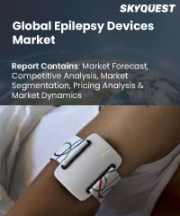
간질 기기 시장 규모는 2024년 24억 2,000만 달러로 평가되었고, 2025년 26억 6,000만 달러에서 2033년까지 57억 1,000만 달러로 성장할 전망입니다. 예측기간(2026-2033년) CAGR은 10%를 나타낼 전망입니다.
세계 간질 기기 시장은 간질 유병률 증가, 인지도 향상, 임상 기술의 진보에 힘입어 현저한 성장을 이루고 있습니다. 발작 검지 능력의 향상과 환자 결과의 개선을 목적으로 하는 임베디드 신경 자극 장치나 웨어러블 발작 모니터링 툴 등 다양한 간질 치료 기기에 대한 수요가 높아지고 있습니다. 그러나 고비용, 제한적인 상환 옵션, 숙련된 전문가의 부족 등의 과제가 시장 확대를 방해하고 있습니다. 북미가 시장을 선도하는 한편, 아시아태평양은 의료 인프라의 정비와 간질 관리에 대한 의식 향상을 배경으로 빠르게 성장하고 있습니다. 주요 동향은 장비 기술의 지속적인 혁신과 환자 중심 솔루션에 대한 강한 주력을 포함하여 간질 기기 부문의 진화를 보여줍니다.
간질 기기 시장 성장 촉진요인
세계적으로 증가하는 간질 사례 수는 환자 기반을 크게 확대하여 혁신적인 의료 솔루션에 대한 수요를 높입니다. 임베디드 신경 자극 장치와 반응성 신경 자극 시스템과 같은 간질 기기의 진보로 발작 관리와 환자의 전반적인 치료 성과가 향상되었습니다. 또한 간질에 대한 인식 증가와 조기 진단 및 개입의 중요성에 대한 인식이 시장 동향 형성에 중요한 역할을 하고 있습니다. 이러한 요인이 합쳐져, 진보된 치료법의 개발과 보급을 촉진하고, 간질 기기 시장에 활기찬 환경을 가져오고, 궁극적으로는 이 질환에 시달리는 분들의 생활의 질 향상으로 이어지고 있습니다.
간질 기기 시장 성장 억제요인
간질 기기 시장에서 큰 제약은 고급 간질 치료 기술의 높은 비용이며, 특히 의료 자원이 제한된 지역에서는 많은 환자의 접근을 제한할 수 있습니다. 또한, 상환 시책과 보험 적용 범위가 추가적인 장벽이 되어 이러한 장비의 보급을 방해할 수 있습니다. 장비의 적절한 설치 및 모니터링을 보장하기 위한 숙련된 전문가의 필요성도 과제이며, 이러한 기술을 효과적으로 활용하기 위한 견고한 의료 인프라의 필요성을 부각하고 있습니다. 이러한 요인들이 함께 시장이 그 잠재력을 최대한 발휘하는 데 직면하는 전체적인 억제요인이 되고 있습니다.
간질 기기 시장 동향
간질 기기 시장은 지속적인 모니터링을 가능하게 하는 환자 중심의 비침습적 솔루션에 대한 관심 증가를 배경으로 웨어러블 발작 모니터링 장비로의 현저한 전환 동향을 볼 수 있습니다. 이 전환은 비정상적인 뇌 활동에 실시간으로 적응적인 반응을 제공하는 반응성 신경 자극 기술의 발전으로 보완됩니다. 게다가, 개인화된 치료법으로의 전환은 치료 접근법을 개별 환자 프로파일에 맞추어 조정하고 개입의 효능을 증가시키는 것을 강조합니다. 이러한 혁신적인 기술에 대한 인지도와 수용도가 높아짐에 따라 시장은 확대의 조짐을 보이고 있으며, 다양한 환자 요구에 대응하면서 간질에 고민하는 분들의 생활의 질(QOL) 전체의 향상에 공헌하고 있습니다.
Epilepsy Devices Market size was valued at USD 2.42 Billion in 2024 and is poised to grow from USD 2.66 Billion in 2025 to USD 5.71 Billion by 2033, growing at a CAGR of 10% during the forecast period (2026-2033).
The Global Epilepsy Devices Market is witnessing significant growth, propelled by an increasing prevalence of epilepsy, heightened awareness, and advancements in clinical technology. The demand for various epilepsy devices, such as implantable neurostimulators and wearable seizure monitoring tools, is on the rise, aimed at enhancing seizure detection and improving patient outcomes. However, challenges like high costs, limited reimbursement options, and a shortage of skilled professionals hinder further market expansion. North America leads the market, while the Asia-Pacific region is rapidly growing, supported by better healthcare infrastructure and rising awareness of epilepsy management. Key trends include ongoing innovations in device technology and a strong emphasis on patient-centric solutions, marking the evolution of the epilepsy devices landscape.
Top-down and bottom-up approaches were used to estimate and validate the size of the Epilepsy Devices market and to estimate the size of various other dependent submarkets. The research methodology used to estimate the market size includes the following details: The key players in the market were identified through secondary research, and their market shares in the respective regions were determined through primary and secondary research. This entire procedure includes the study of the annual and financial reports of the top market players and extensive interviews for key insights from industry leaders such as CEOs, VPs, directors, and marketing executives. All percentage shares split, and breakdowns were determined using secondary sources and verified through Primary sources. All possible parameters that affect the markets covered in this research study have been accounted for, viewed in extensive detail, verified through primary research, and analyzed to get the final quantitative and qualitative data.
Epilepsy Devices Market Segments Analysis
Global Epilepsy Devices Market is segmented by Product Type, Technology Platform, End User and region. Based on Product Type, the market is segmented into Conventional Devices, Wearable Devices, Implantable Devices and Diet. Based on Technology Platform, the market is segmented into Vagus Nerve Stimulation, Deep Brain Stimulation, Accelerometery and Responsive Neurostimulation. Based on End User, the market is segmented into Hospitals and Clinics, Neurology Centers and Home Care Settings. Based on region, the market is segmented into North America, Europe, Asia Pacific, Latin America and Middle East & Africa.
Driver of the Epilepsy Devices Market
The growing number of epilepsy cases globally has significantly expanded the patient base, leading to a heightened demand for innovative medical solutions. Advances in epilepsy devices, such as implantable neurostimulators and responsive neurostimulation systems, have enhanced seizure management and overall patient outcomes. Additionally, increasing awareness surrounding epilepsy, along with the critical need for early diagnosis and intervention, has played a crucial role in shaping market trends. This confluence of factors is driving the development and adoption of advanced therapeutic options, fostering a dynamic environment for the epilepsy devices market, and ultimately improving the quality of life for individuals affected by this condition.
Restraints in the Epilepsy Devices Market
A significant limitation in the Epilepsy Devices market is the high cost of advanced epilepsy technologies, which can restrict access for many individuals, particularly in regions where healthcare resources are scarce. Furthermore, reimbursement policies and insurance coverage can create additional hurdles, hindering widespread adoption of these devices. The necessity for skilled professionals to ensure proper installation and monitoring of the devices also presents a challenge, underscoring the need for a robust healthcare infrastructure to support the effective use of such technologies. These factors collectively contribute to the overall constraints faced by the market in reaching its full potential.
Market Trends of the Epilepsy Devices Market
The Epilepsy Devices market is witnessing a significant trend towards wearable seizure monitoring devices, driven by a heightened focus on patient-centric and non-invasive solutions that enable continuous monitoring. This transition is complemented by advancements in responsive neurostimulation technologies, which offer real-time adaptive responses to abnormal brain activity. Furthermore, the movement towards personalized treatment modalities emphasizes tailoring therapeutic approaches to individual patient profiles, enhancing the efficacy of interventions. As awareness and acceptance of these innovative technologies grow, the market is poised for expansion, catering to diverse patient needs while improving overall quality of life for those affected by epilepsy.