


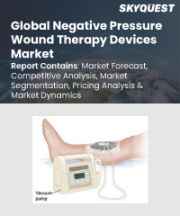
세계의 음압상처치료 기기 시장 규모는 2024년 28억 7,000만 달러로 평가되었고, 2025년 30억 5,000만 달러에서 2033년까지 49억 3,000만 달러로 성장할 전망입니다. 예측 기간(2026-2033년) CAGR은 6.2%로 성장이 예측되고 있습니다.
세계의 음압상처치료(NPWT) 시장은 혁신적인 상처 관리 솔루션에 대한 수요 증가로 인해 성장할 것으로 예측됩니다. 일회용 NPWT 기기로의 전환이 현저하고, 스미스 앤 네퓨의 PICO와 같은 제품이 큰 주목을 받고 있습니다. 시장은 만성 질환, 특히 당뇨병의 발생률 상승에 크게 영향을 받고 있으며, 이들은 종종 당뇨병성 발궤양과 같은 합병증을 유발합니다. 게다가 교통사고로 인한 외상도 상처의 주요 원인 중 하나이지만 최근 교통기관의 혼란으로 인해 치료를 요구하는 환자 수는 영향을 받고 있습니다. 예측에 따르면 특히 미국에서는 당뇨병성 궤양이 꾸준히 증가하고 있는 반면 아시아태평양에서는 외상 사고 증가가 관찰되었습니다. 이러한 요인들이 결합되어 첨단 상처 치료 요법에 대한 수요가 증가할 것으로 예측됩니다.
세계의 음압상처치료 기기 시장 성장 촉진요인
당뇨병성 궤양과 욕창을 포함한 만성 상처의 유병률 증가 외에도 수술 건수의 급증이 음압상처치료(NPWT) 기기 수요를 크게 뒷받침하고 있습니다. 이러한 혁신적인 기기는 상처 치유를 촉진하고 감염 위험을 줄이는 데 중요한 역할을 합니다. 의료 종사자가 복잡한 상처 케어의 요구에 대응하는 효과적인 해결책을 요구하는 가운데, NPWT 기술의 채용은 계속 확대되고 있으며, 다양한 임상 현장에서 환자의 치료 성과를 향상시키고 회복 기간을 단축하는 데 있어서 그 중요성이 강조되고 있습니다. 따라서 NPWT 디바이스 시장은 이러한 강력한 요인들에 의해 견조한 확대를 이루고 있습니다.
세계의 음압상처치료 기기 시장 성장 억제요인
음압상처치료(NPWT) 기기의 도입은 전문적인 훈련과 기술에 대한 종합적인 이해가 필요하기 때문에 문제가 발생합니다. 의료 종사자는 효과적인 사용에 필요한 기술이 충분하지 않다고 느끼거나 장치의 복잡성이 장벽으로 인식되는 경우 이러한 장치의 도입에 꺼려질 수 있습니다. 이러한 망설임은 임상 현장에서 NPWT 솔루션의 광범위한 수용과 이용을 방해하며, 궁극적으로는 환자의 치료 결과와 이러한 첨단 상처 치료 시장 성장에 영향을 미칠 수 있습니다. 도입률을 높이려면 이러한 교육과 사용 편의성에 대한 우려를 해결하는 것이 매우 중요합니다.
세계의 음압상처치료 기기 시장 동향
세계의 음압상처치료(NPWT) 기기 시장에서는 NPWT 시스템의 휴대성 및 사용 편의성을 향상시키는 기술적 진보에 힘입어, 재택 치료 환경에서의 채용 증가라는 현저한 동향을 볼 수 있습니다. 환자가 상처 관리를 일상 생활에 원활하게 통합하고자하는 동안, 이러한 혁신적인 기기는 전통적인 의료 환경 밖에서 효과적인 치료를 가능하게 합니다. 재택 치료로의 전환은 개인화된 환자 경험 및 비용 효율적인 치료 솔루션에 대한 선호도가 더욱 높아지고 있으며, 만성 상처를 관리하는 개인에게 보다 큰 접근성과 편의성을 궁극적으로 촉진하고 있습니다. 이 변혁은 상처 케어의 풍경을 재구성하고 환자의 결과를 향상시키는 데 NPWT가 수행하는 중요한 역할을 부각하고 있습니다.
Global Negative Pressure Wound Therapy Devices Market size was valued at USD 2.87 Billion in 2024 and is poised to grow from USD 3.05 Billion in 2025 to USD 4.93 Billion by 2033, growing at a CAGR of 6.2% during the forecast period (2026-2033).
The Global Negative Pressure Wound Therapy (NPWT) market is poised for growth due to an increasing demand for innovative wound management solutions. The shift towards single-use NPWT devices is notable, with products like Smith & Nephew's PICO gaining significant traction. The market is heavily influenced by the rising incidence of chronic diseases, particularly diabetes, which often results in complications such as diabetic foot ulcers. Furthermore, transport-related injuries are a considerable source of wounds, although recent disruptions in transportation have impacted the volume of patients seeking treatment. Predictions show a steady increase in diabetic ulcers, particularly in the U.S., while the Asia Pacific region is observing a rise in traumatic incidents. This combination is expected to enhance the demand for advanced wound care therapeutics.
Top-down and bottom-up approaches were used to estimate and validate the size of the Global Negative Pressure Wound Therapy Devices market and to estimate the size of various other dependent submarkets. The research methodology used to estimate the market size includes the following details: The key players in the market were identified through secondary research, and their market shares in the respective regions were determined through primary and secondary research. This entire procedure includes the study of the annual and financial reports of the top market players and extensive interviews for key insights from industry leaders such as CEOs, VPs, directors, and marketing executives. All percentage shares split, and breakdowns were determined using secondary sources and verified through Primary sources. All possible parameters that affect the markets covered in this research study have been accounted for, viewed in extensive detail, verified through primary research, and analyzed to get the final quantitative and qualitative data.
Global Negative Pressure Wound Therapy Devices Market Segments Analysis
Global Negative Pressure Wound Therapy Devices Market is segmented by Product, Wound Type, End-use and region. Based on Product, the market is segmented into Conventional NPWT Devices, Single-use NPWT Devices and NPWT Accessories. Based on Wound Type, the market is segmented into Chronic Wounds and Acute Wounds. Based on End-use, the market is segmented into Hospital, Specialty Clinics, Home Healthcare and Others. Based on region, the market is segmented into North America, Europe, Asia Pacific, Latin America and Middle East & Africa.
Driver of the Global Negative Pressure Wound Therapy Devices Market
The increasing prevalence of chronic wounds, including diabetic ulcers and pressure ulcers, coupled with a surge in surgical procedures, has significantly fueled the demand for Negative Pressure Wound Therapy (NPWT) devices. These innovative devices facilitate expedited healing of wounds and play a crucial role in minimizing the risk of infections. As healthcare providers seek effective solutions to manage complex wound care needs, the adoption of NPWT technology continues to grow, highlighting its importance in enhancing patient outcomes and promoting quicker recovery times in various clinical settings. Thus, the market for NPWT devices is witnessing robust expansion due to these compelling factors.
Restraints in the Global Negative Pressure Wound Therapy Devices Market
The adoption of Negative Pressure Wound Therapy (NPWT) devices faces challenges due to the need for specialized training and a comprehensive understanding of the technology. Healthcare professionals may be reluctant to embrace these devices if they feel inadequately equipped with the skills required for effective use or if the complexity of the devices is perceived as a barrier. This hesitation can impede the broader acceptance and utilization of NPWT solutions in clinical settings, ultimately affecting patient outcomes and the market growth of these advanced wound care therapies. Addressing these training and usability concerns is crucial for enhancing adoption rates.
Market Trends of the Global Negative Pressure Wound Therapy Devices Market
The Global Negative Pressure Wound Therapy (NPWT) Devices market is witnessing a notable trend towards increased adoption in homecare settings, propelled by technological advancements that enhance the portability and usability of NPWT systems. As patients seek to integrate wound management seamlessly into their daily lives, these innovative devices facilitate effective treatment outside traditional healthcare environments. The shift towards homecare is further supported by a rising preference for personalized patient experiences and cost-effective care solutions, ultimately fostering greater accessibility and convenience for individuals managing chronic wounds. This transformation is reshaping the landscape of wound care, highlighting the crucial role of NPWT in enhancing patient outcomes.