


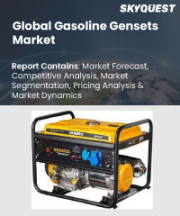
세계의 가솔린 발전기 시장 규모는 2024년에 66억 1,000만 달러로 평가되었고, 2025년 69억 2,000만 달러에서 2033년까지 99억 9,000만 달러로 성장할 전망입니다. 예측 기간(2026-2033년) CAGR은 4.7%로 성장이 예측되고 있습니다.
세계의 가솔린 발전기 시장은 특히 정전이 빈발하는 지역에서 안정적인 백업 전원 솔루션에 대한 수요가 증가함에 따라 현저한 성장을 이루고 있습니다. 이러한 발전기는 상업, 주택, 산업 등 지속적인 전력 공급 확보가 필수적인 다양한 분야에서 이용되고 있습니다. 또한 개발도상 지역에서 건설 및 인프라 프로젝트의 급증도 수요를 뒷받침하고 있습니다. 이러한 사업에서는 휴대성 및 신뢰성을 겸비한 전원이 요구되는 경우가 많기 때문입니다. 환경 문제로 인해 보다 깨끗하고 효율적인 발전 기술에 대한 주목이 높아지고 있는 반면, 가솔린 발전기는 편의성과 연료 가용성에서 여전히 지지를 받고 있습니다. 기업과 가정 모두에서 전력 신뢰성이 중시되는 가운데 가솔린 발전기 시장은 가까운 미래에 견조한 확대가 예상됩니다.
세계의 가솔린 발전기 시장 성장 촉진요인
가솔린 발전기 시장을 견인하는 주요 요인은 세계적으로 정전 발생 빈도와 지속 시간이 증가하고 있다는 것입니다. 이 동향은 이상 기상, 노후화하는 송전망 인프라, 의료 및 데이터 관리 등 중요한 분야에서 안정적인 전력 수요 증가 등 복합 요인에 의해 영향을 받고 있습니다. 그 결과, 기업과 주택 모두에서 전력 공급이 중단되었을 때에도 업무와 안전을 유지할 수 있는 신뢰성 있는 백업 전원 솔루션으로서 가솔린 발전기에 대한 수요가 높아지고 있습니다. 전력 자원의 신뢰성에 대한 이러한 증가 요구는 이 분야 시장 확대를 크게 견인하고 있습니다.
세계의 가솔린 발전기 시장 성장 억제요인
가솔린 발전기 시장이 직면한 주요 과제 중 하나는 환경 의식 증가와 보다 엄격한 배출 규제의 시행입니다. 이러한 발전기의 가솔린 연소는 대기질에 악영향을 미치고 기후 변화의 원인이 되는 오염물질 및 온실가스를 배출합니다. 결과적으로 규제 당국이 배출 규제를 강화함에 따라 제조업체는 보다 깨끗하고 연료 효율적인 기술 개발에 투자해야 합니다. 이러한 전환은 생산 비용을 증가시킬 뿐만 아니라 가솔린 발전기의 사용 시나리오를 제한할 수 있으며, 이 분야 시장 성장과 혁신을 제한하는 요인이 됩니다.
세계의 가솔린 발전기 시장 동향
세계의 가솔린 발전기 시장에서는 분산형 에너지 발전으로의 현저한 전환 동향을 볼 수 있습니다. 기업과 일반 가정이 집중형 전력망에 대한 의존도를 줄이기 위해 이러한 전원 솔루션을 선택하는 경우가 증가하고 있습니다. 이러한 변화는 에너지 자립에 대한 수요가 증가하고 잠재적인 정전 위험에 대한 내성 강화가 배경입니다. 기술 진보로 가솔린 발전기는 보다 효율적이고 환경 친화적이고 정숙성도 향상되어 도입을 더욱 촉진하고 있습니다. 에너지 환경이 변화하는 동안 이 분산형 접근법은 보다 신뢰할 수 있는 전력 공급을 보장할 뿐만 아니라 가솔린 발전기를 지속 가능하고 자립적인 에너지 솔루션으로의 전환에 중요한 역할을 하는 존재로 자리매김하고 있습니다.
Global Gasoline Gensets Market size was valued at USD 6.61 Billion in 2024 and is poised to grow from USD 6.92 Billion in 2025 to USD 9.99 Billion by 2033, growing at a CAGR of 4.7% during the forecast period (2026-2033).
The global gasoline gensets market is experiencing significant growth, fueled by the rising need for dependable backup power solutions, particularly in areas with frequent power disruptions. These generators are utilized across various sectors, including commercial, residential, and industrial, where ensuring a continuous power supply is essential. Furthermore, the surge in construction and infrastructure projects in developing regions is boosting demand, as these initiatives often necessitate portable and reliable power. While there is an increasing focus on cleaner and more efficient generator technologies due to environmental concerns, gasoline gensets remain favored for their convenience and fuel accessibility. As both businesses and households emphasize power reliability, the gasoline gensets market appears poised for robust expansion in the foreseeable future.
Top-down and bottom-up approaches were used to estimate and validate the size of the Global Gasoline Gensets market and to estimate the size of various other dependent submarkets. The research methodology used to estimate the market size includes the following details: The key players in the market were identified through secondary research, and their market shares in the respective regions were determined through primary and secondary research. This entire procedure includes the study of the annual and financial reports of the top market players and extensive interviews for key insights from industry leaders such as CEOs, VPs, directors, and marketing executives. All percentage shares split, and breakdowns were determined using secondary sources and verified through Primary sources. All possible parameters that affect the markets covered in this research study have been accounted for, viewed in extensive detail, verified through primary research, and analyzed to get the final quantitative and qualitative data.
Global Gasoline Gensets Market Segments Analysis
Global Gasoline Gensets Market is segmented by Type, Fuel Consumption, Power Output, Application and region. Based on Type, the market is segmented into Open-Frame Generators, Enclosed Generators, Portable Generators and Standby Generators. Based on Fuel Consumption, the market is segmented into Low Consumption, Medium Consumption and High Consumption. Based on Power Output, the market is segmented into Below 5 kW, 5 kW - 10 kW, 10 kW - 20 kW and Above 20 kW. Based on Application, the market is segmented into Residential, Commercial and Industrial. Based on region, the market is segmented into North America, Europe, Asia Pacific, Latin America and Middle East & Africa.
Driver of the Global Gasoline Gensets Market
A key factor propelling the gasoline gensets market is the rising occurrence and length of power outages around the globe. This trend is influenced by a combination of severe weather conditions, deteriorating grid infrastructure, and the growing demand for consistent power in essential sectors such as healthcare and data management. As a result, both businesses and residential users are increasingly turning to gasoline gensets as dependable backup power solutions, ensuring they can maintain operations and safety during interruptions in electricity supply. This heightened need for reliability in power resources significantly drives market expansion in this sector.
Restraints in the Global Gasoline Gensets Market
One of the key challenges facing the gasoline gensets market is the rising environmental consciousness and the enforcement of more stringent emissions regulations. The combustion of gasoline in these generators releases pollutants and greenhouse gases that adversely impact air quality and contribute to climate change. Consequently, as regulatory bodies implement tighter emissions controls, manufacturers are compelled to invest in the development of cleaner and more fuel-efficient technologies. This transition not only adds to production costs but may also restrict the usage scenarios for gasoline gensets, thereby constraining market growth and innovation in this sector.
Market Trends of the Global Gasoline Gensets Market
The Global Gasoline Gensets market is witnessing a notable trend towards decentralized energy generation, as both businesses and homeowners increasingly opt for these power solutions to minimize dependence on centralized electricity grids. This shift is motivated by a growing demand for energy independence and enhanced resilience against potential grid failures. Technological advancements have made gasoline gensets more efficient, environmentally friendly, and quieter, further encouraging their adoption. As the energy landscape evolves, this decentralized approach not only ensures a more reliable power supply but also positions gasoline gensets as pivotal players in the transition towards sustainable and self-sufficient energy solutions.