


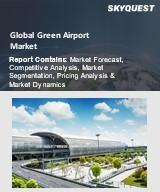
세계의 그린 공항 시장 규모는 2024년에 55억 3,000만 달러로 평가되며, 2025년 61억 달러에서 2033년까지 132억 6,000만 달러로 성장할 전망입니다. 예측 기간(2026-2033년)의 CAGR은 10.2%로 예측됩니다.
세계 그린 공항은 환경에 미치는 영향을 최소화하기 위해 환경 친화적인 기술과 관행의 통합을 강조하는 항공 산업의 중요한 진화를 나타냅니다. 이 노력은 주로 탄소 배출량 감소, 폐기물 발생 최소화, 유한 자원 보존에 초점을 맞추었습니다. 이러한 움직임은 소비자와 정부의 환경에 대한 인식이 높아지고 지속가능한 실천을 촉구하는 엄격한 국제 규제에 의해 촉진되고 있습니다. 공항은 전통적 자원 착취형 모델에서 벗어나 점점 더 많은 혁신을 추진하고 있습니다. 그러나 높은 초기 투자비용, 기술적 장벽, 변화에 대한 저항 등의 문제로 인해 빠른 도입에 어려움을 겪고 있습니다. 지속가능한 전략을 성공적으로 실행하기 위해서는 항공사, 공항 당국, 규제기관 간의 효과적인 협력이 필수적입니다. 이러한 도전에도 불구하고 재생에너지와 폐기물 관리 방법의 혁신은 항공업계의 혁신적이고 친환경적인 미래를 지원할 수 있는 큰 기회로 작용하고 있습니다.
세계 친환경 공항 시장 성장 촉진요인
환경 규제에 대한 관심이 높아지고 유가가 급등함에 따라 공항은 지속가능한 노력을 우선순위에 두어야 했습니다. 탄소발자국에 대한 인식이 높아지면서 업계 전반에 걸쳐 친환경 구상이 도입되고 있습니다. 세계 각국 정부는 엄격한 환경 정책을 제정하여 공항이 환경에 미치는 영향을 줄이기 위한 친환경 기술 및 방법에 대한 투자를 독려하고 있습니다. 그 결과, 지속가능성 목표에 부합하는 노력을 채택하고 항공 부문의 더 깨끗하고 친환경적인 미래에 기여하기 위한 공동의 노력으로 세계 그린 공항 시장은 괄목할 만한 성장을 보이고 있습니다.
세계 그린 공항 시장 성장 억제요인
세계 녹색공항 시장이 직면한 큰 과제 중 하나는 녹색기술 도입에 필요한 막대한 초기 투자비용입니다. 재생에너지 시스템이나 에너지 절약 측정 툴을 포함한 지속가능한 인프라를 도입하는 데는 많은 경우 많은 선행 비용이 수반됩니다. 이러한 재정적 부담은 특히 예산이 한정된 공항이 녹색 구상을 추진하는 것을 방해할 수 있습니다. 이러한 투자의 장기적인 이점은 궁극적으로 초기 비용을 능가할 수 있지만, 즉각적인 재정적 부담으로 인해 환경 친화적인 방식으로의 전환을 원하는 많은 시설의 진전을 저해할 수 있습니다. 그 결과, 투자에 대한 소극적인 태도가 지속가능한 공항 운영의 성장을 저해할 수 있습니다.
세계 그린공항 시장 동향
세계 녹색 공항 시장은 재생에너지 원의 통합이 점점 더 두드러지면서 공항 운영과 지속가능성 관행에 큰 변화를 가져오고 있습니다. 공항에서는 화석연료 의존도를 낮추기 위해 태양광과 풍력발전을 우선적으로 도입하고 있으며, 이를 통해 온실가스를 대폭 감축하고 있습니다. 이러한 노력은 공항의 환경 부하를 줄일 뿐만 아니라 기후 변화 대응을 위한 전 세계적인 노력에도 부합합니다. 이해관계자들이 혁신적인 솔루션을 모색하는 가운데, 재생에너지 기술의 채택은 항공 산업의 투자, 운영 효율성 및 규제 준수를 위한 주요 동력이 되고 있으며, 전 세계에서 친환경적이고 지속가능한 공항 인프라에 대한 추세를 강화시키고 있습니다.
Global Green Airport Market size was valued at USD 5.53 Billion in 2024 and is poised to grow from USD 6.1 Billion in 2025 to USD 13.26 Billion by 2033, growing at a CAGR of 10.2% during the forecast period (2026-2033).
Global green airports represent a pivotal evolution in the aviation sector, emphasizing the integration of eco-friendly technologies and practices to minimize environmental impacts. The initiative primarily focuses on reducing carbon emissions, minimizing waste production, and conserving finite resources. This movement is driven by heightened environmental awareness among consumers and governments, alongside strict international regulations encouraging sustainable practices. Airports are increasingly motivated to innovate and transition away from traditional resource-exploitation models. However, challenges such as high initial investments, technological hurdles, and resistance to change, hinder swift adoption. Effective collaboration among airlines, airport authorities, and regulatory bodies is essential for successful implementation of sustainable strategies. Despite these challenges, significant opportunities for innovation in renewable energy and waste management practices support a transformative, greener future within the aviation industry.
Top-down and bottom-up approaches were used to estimate and validate the size of the Global Green Airport market and to estimate the size of various other dependent submarkets. The research methodology used to estimate the market size includes the following details: The key players in the market were identified through secondary research, and their market shares in the respective regions were determined through primary and secondary research. This entire procedure includes the study of the annual and financial reports of the top market players and extensive interviews for key insights from industry leaders such as CEOs, VPs, directors, and marketing executives. All percentage shares split, and breakdowns were determined using secondary sources and verified through Primary sources. All possible parameters that affect the markets covered in this research study have been accounted for, viewed in extensive detail, verified through primary research, and analyzed to get the final quantitative and qualitative data.
Global Green Airport Market Segments Analysis
Global Green Airport Market is segmented by Airport Type, Green Technologies, Infrastructure Development, Sustainability Initiatives, Airport Class and region. Based on Airport Type, the market is segmented into Civil Airports, Military Airports, International Airports, Domestic Airports, Cargo Airports and Others. Based on Green Technologies, the market is segmented into Renewable Energy Systems, Electric Ground Support Equipment, Green Building Materials and Water Conservation Systems. Based on Infrastructure Development, the market is segmented into Terminal Construction, Runway Optimization, Parking Facilities and Others. Based on Sustainability Initiatives, the market is segmented into Carbon Neutral Programs, Waste Management Solutions and Sustainable Transportation Initiatives. Based on Airport Class, the market is segmented into Class A, Class B and Class C. Based on region, the market is segmented into North America, Europe, Asia Pacific, Latin America and Middle East & Africa.
Driver of the Global Green Airport Market
The increasing emphasis on environmental regulations and the surge in oil prices have compelled airports to prioritize sustainable practices. This heightened awareness of carbon footprints has led to the implementation of green initiatives across the industry. Governments around the world are enacting stringent environmental policies that encourage airports to invest in eco-friendly technologies and methods aimed at reducing their impact on the environment. As a result, the global green airport market is witnessing significant growth, driven by the collective effort to adopt practices that align with sustainability goals and contribute to a cleaner, greener future for the aviation sector.
Restraints in the Global Green Airport Market
A significant challenge facing the Global Green Airport market is the substantial initial investment required for the adoption of green technologies. The implementation of sustainable infrastructure, which encompasses renewable energy systems and energy-efficient measurement tools, often involves considerable upfront costs. This financial burden can deter airports, particularly those operating on tight budgets, from pursuing green initiatives. Although the long-term advantages of such investments may ultimately outweigh the initial expenses, the immediate financial commitment may hinder progress for many facilities eager to transition to more environmentally friendly practices. As a result, this reluctance to invest can impede the growth of sustainable airport operations.
Market Trends of the Global Green Airport Market
The Global Green Airport market is increasingly characterized by the integration of renewable energy sources, significantly transforming airport operations and sustainability practices. Airports are prioritizing solar and wind power to reduce reliance on fossil fuels, leading to substantial greenhouse gas emission reductions. This commitment not only enhances the environmental footprint of airports but also aligns with global initiatives to combat climate change. As stakeholders seek innovative solutions, the adoption of renewable technologies is becoming a key driver of investment, operational efficiency, and regulatory compliance within the aviation sector, reinforcing the trend towards greener and more sustainable airport infrastructures worldwide.