


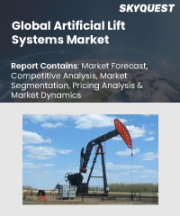
인공 양수 시스템 시장 규모는 2024년에 231억 2,000만 달러로 평가되며, 2025년 244억 8,000만 달러에서 2033년까지 387억 3,000만 달러로 성장할 전망입니다. 예측 기간(2026-2033년)의 CAGR은 5.9%로 예측됩니다.
인공양수 시스템 시장은 저류층 압력 감소에 대응하여 탄화수소 회수율을 높이고 석유 및 가스 생산을 최적화하는 데 매우 중요합니다. 이들 시스템은 로드 리프트, 전기식 수중펌프(ESP), 가스 리프트 등 다양한 기술을 이용하여 석유, 가스 등 생산 유체를 효율적으로 양수하여 생산률 향상과 유정 수명 연장에 기여합니다. 시장 성장은 특히 기존형 저류층 고갈과 신규 유전의 출현에 따른 세계 탄화수소 수요 증가에 의해 주도되고 있습니다. 펌프 설계 및 모니터링 기능의 기술적 발전은 시스템의 효율성과 신뢰성을 더욱 향상시키고 있습니다. 그러나 유가 변동과 재생에너지로의 전환 등의 이슈가 발생하고 있으며, 이는 업계의 투자에 영향을 미칠 수 있습니다. 그럼에도 불구하고 기존 우물의 개보수에는 기회가 존재하며, 시장 확대와 최적화를 위한 길을 제공합니다.
인공양수 시스템 시장 성장 촉진요인
에너지 수요의 확대, 특히 석유 및 가스 분야 수요 증가가 인공양수 시스템 시장을 크게 견인하고 있습니다. 인구 증가와 산업 활동의 활성화에 따라 효과적인 교통수단과 에너지 자원에 대한 수요가 증가하고 있습니다. 이러한 수요 증가로 인해 사업자들은 생산능력 강화와 저류층에서 효율적인 탄화수소 추출이 요구되고 있습니다. 다양한 산업의 에너지 수요를 충족시키기 위해 첨단 인공양수 시스템의 도입은 생산량 극대화와 자원 관리 개선에 필수적입니다. 따라서 에너지 소비의 지속적인 증가는 시장에서 이러한 기술의 개발과 채택을 형성하는 데 중요한 역할을 하고 있습니다.
인공양수 시스템 시장 성장 억제요인
인공양수 시스템 시장은 지정학적 긴장, 수급 변동, 경제 전반의 안정성 등 여러 요인의 영향을 받는 세계 석유 및 가스 산업의 고유한 변동성으로 인해 제약에 직면해 있습니다. 유가 변동은 사업자들의 투자 전략에 신중을 기하게 하고, 새로운 인공양수 기술 도입이나 생산능력 확대에 소극적인 경향을 보입니다. 이러한 시장 환경의 불확실성은 가격 변동이 지속되는 상황에서 이해관계자들이 혁신과 확장보다 리스크 관리를 우선시할 가능성이 있으므로 인공양수 시스템 분야의 성장 가능성을 크게 저해할 수 있습니다.
인공양수 시스템 시장 동향
인공양수 시스템 시장은 디지털화와 자동화에 힘입어 큰 변화의 시기를 맞이하고 있으며, 기존 운영 방식에서 데이터베이스의 고효율 프로세스로 전환하고 있습니다. IoT 센서, 데이터 분석, 인공지능 등 첨단 기술의 통합으로 실시간 모니터링과 예지보전이 가능해져 사업자는 리프트 성능을 최적화하고 다운타임을 줄일 수 있습니다. 이러한 추세는 신뢰성과 안전성을 향상시킬 뿐만 아니라 업계 전반의 비용 효율성 향상에도 기여합니다. 기업이 자원 채굴 능력을 극대화하고 운영 비용을 최소화하기 위해 노력하는 가운데, 스마트하고 자동화된 인공 양수 솔루션에 대한 수요가 급증할 것으로 예상되며, 이는 에너지 생산 분야의 광범위한 기술 혁신 움직임을 반영합니다.
Artificial Lift Systems Market size was valued at USD 23.12 Billion in 2024 and is poised to grow from USD 24.48 Billion in 2025 to USD 38.73 Billion by 2033, growing at a CAGR of 5.9% during the forecast period (2026-2033).
The Artificial Lift Systems market is crucial for enhancing hydrocarbon recovery and optimizing oil and gas production by addressing declining reservoir pressures. These systems efficiently lift produced fluids-such as oil and gas-using various techniques, including rod lift, electric submersible pumps (ESPs), and gas lift, which help increase production rates and prolong well life. Market growth is driven by rising global demand for hydrocarbons, especially as conventional reservoirs decline and new fields emerge. Technological advancements in pump design and monitoring capabilities further enhance system efficiency and reliability. However, challenges arise from oil price volatility and the shift toward renewable energy, which can affect industry investments. Nevertheless, opportunities exist for retrofitting older wells, providing avenues for market expansion and optimization.
Top-down and bottom-up approaches were used to estimate and validate the size of the Artificial Lift Systems market and to estimate the size of various other dependent submarkets. The research methodology used to estimate the market size includes the following details: The key players in the market were identified through secondary research, and their market shares in the respective regions were determined through primary and secondary research. This entire procedure includes the study of the annual and financial reports of the top market players and extensive interviews for key insights from industry leaders such as CEOs, VPs, directors, and marketing executives. All percentage shares split, and breakdowns were determined using secondary sources and verified through Primary sources. All possible parameters that affect the markets covered in this research study have been accounted for, viewed in extensive detail, verified through primary research, and analyzed to get the final quantitative and qualitative data.
Artificial Lift Systems Market Segments Analysis
Global Artificial Lift Systems Market is segmented by Product, Component, Well Type, Technology, Mechanism and region. Based on Product, the market is segmented into Rod Lift, Electrical Submersible Pump (ESP), Progressive Cavity Pump (PCP), Gas Lift, Hydraulic Pump and Others. Based on Component, the market is segmented into Pump, Motor, Cable System, Drive Head, Separator and Others. Based on Well Type, the market is segmented into Onshore and Offshore. Based on Technology, the market is segmented into Conventional and Smart. Based on Mechanism, the market is segmented into Pump Assisted and Gas Assisted. Based on region, the market is segmented into North America, Europe, Asia Pacific, Latin America and Middle East & Africa.
Driver of the Artificial Lift Systems Market
Growing energy demands, especially in the oil and gas sectors, are significantly propelling the artificial lift systems market. As populations expand and industrial activities increase, the need for effective transportation and energy resources intensifies. This escalating demand compels operators to enhance production capabilities and efficiently extract hydrocarbons from reservoirs. To meet the diverse energy needs of numerous industries, the implementation of advanced artificial lift systems becomes essential for maximizing output and improving resource management. Consequently, the continuous rise in energy consumption plays a crucial role in shaping the development and adoption of these technologies within the market.
Restraints in the Artificial Lift Systems Market
The artificial lift systems market faces constraints due to the inherent volatility of the global oil and gas industry, which is affected by multiple factors such as geopolitical tensions, shifts in supply and demand, and overall economic stability. Fluctuating oil prices often lead to cautious investment strategies among operators, making them hesitant to adopt new artificial lift technologies or expand production capabilities. This uncertainty in market conditions can significantly hinder the growth potential of the artificial lift systems sector, as stakeholders may prioritize risk management over innovation and expansion amidst fluctuating price landscapes.
Market Trends of the Artificial Lift Systems Market
The artificial lift systems market is experiencing a significant shift driven by digitalization and automation, transforming traditional operations into highly efficient, data-driven processes. Integration of advanced technologies such as IoT sensors, data analytics, and artificial intelligence facilitates real-time monitoring and predictive maintenance, allowing operators to optimize lift performance and mitigate downtime. This trend not only enhances reliability and safety but also drives cost-effectiveness across the industry. As companies increasingly seek to maximize resource extraction capabilities while minimizing operational costs, the demand for smart, automated artificial lift solutions is expected to surge, reflecting a broader movement toward technological innovation in energy production.