


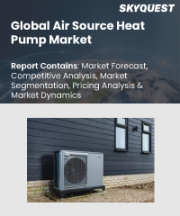
공기열원 히트펌프 시장 규모는 2024년에 518억 달러로 평가되며, 2025년 573억 4,000만 달러에서 2033년까지 1,293억 1,000만 달러로 성장할 전망입니다. 예측 기간(2026-2033년)의 CAGR은 10.7%로 예측됩니다.
공기열원 히트펌프 시장은 현대 기술 혁신의 상징인 에너지 절약형 건식 진공펌프의 채택 증가에 힘입어 괄목할 만한 성장세를 보이고 있습니다. 이 첨단 펌프는 기존 모델에 비해 많은 이점을 제공하며, 특히 오일이 필요 없는 환경 친화적인 작동이 특징입니다. 에너지 소비를 40-60%까지 절감할 수 있는 효율성으로 인해 다양한 용도에서 매력적인 선택이 될 수 있습니다. 중앙 플랜트 설비 간소화를 통한 운영비 절감과 초기 비용 절감은 그 매력을 더욱 높여주고 있습니다. 또한 건식 진공 펌프의 다용도성은 제약, 농업 등의 산업 분야에서 수요 증가를 지원하고 있습니다. 그러나 시장은 엄격한 규제 기준과 원자재 가격 변동과 같은 과제를 해결해야 하며, 이는 성장에 영향을 미칠 수 있습니다. 그럼에도 불구하고 지속적인 기술 발전은 시장의 지속적인 확장을 촉진하고 있습니다.
공기열원 히트펌프 시장 성장 촉진요인
공기열원 히트펌프의 보급 확대는 기존 시스템에 비해 지속가능하고 친환경적인 냉난방 옵션을 제공할 수 있다는 점에 기인합니다. 이러한 변화는 환경 문제에 대한 인식이 높아지고 주거 및 상업시설 모두에서 에너지 효율에 대한 요구가 증가함에 따라 추진되고 있습니다. 소비자와 기업이 탄소발자국 감소와 에너지 비용 절감을 추구하는 가운데, 공기열원 히트펌프는 규제 기준을 충족할 뿐만 아니라 지속가능성과 책임감 있는 에너지 사용에 대한 광범위한 노력에 부합하는 매력적인 대안으로 부상하고 있습니다.
공기열원 히트펌프 시장 성장 억제요인
공기열원 히트펌프는 장기적인 에너지 절약의 잠재력을 가지고 있지만, 초기 투자비용이 높기 때문에 구매를 망설이는 소비자도 적지 않습니다. 기존 난방 시스템과 비교했을 때, 이러한 시스템의 구매 및 설치에 따른 초기 비용은 매우 비싸게 느껴질 수 있습니다. 이러한 경제적 장벽으로 인해 잠재적 구매자는 운영 비용 절감의 이점과 당장 필요한 지출을 비교하면서 구매를 망설일 수 있습니다. 결과적으로, 공기히트펌프의 운영상 이점과 효율성에도 불구하고 이 친환경 난방 솔루션으로 전환을 고려하는 많은 사람들에게 경제성 여부는 여전히 중요한 관심사가 되고 있습니다.
공기열원 히트펌프 시장 동향
공기열원 히트펌프 시장에서는 스마트홈 및 빌딩 관리 솔루션에 대한 수요 증가를 배경으로 스마트화 및 네트워크 접속형 시스템으로의 전환이 두드러진 추세로 볼 수 있습니다. 이러한 첨단 시스템은 기능을 강화하여 스마트폰 및 기타 디지털 기기를 통해 냉난방의 원격 모니터링 및 제어를 가능하게 합니다. 이러한 기술 통합은 에너지 효율을 향상시킬 뿐만 아니라 소비자의 편의성과 유연성을 높여줍니다. 지속가능성에 대한 관심이 높아지고 에너지 효율이 우선순위로 떠오르면서 스마트 공기열원 히트펌프의 채택이 확대될 것으로 예상되며, 이는 주거 및 상업용 시설의 자동화 및 연결성 강화라는 광범위한 흐름에 부합하는 것입니다.
Air Source Heat Pump Market size was valued at USD 51.8 Billion in 2024 and is poised to grow from USD 57.34 Billion in 2025 to USD 129.31 Billion by 2033, growing at a CAGR of 10.7% during the forecast period (2026-2033).
The air source heat pump market is experiencing significant momentum, driven by the rise in adoption of energy-efficient dry vacuum pumps, a hallmark of modern technological innovation. These advanced pumps provide numerous benefits over traditional models, most notably their environmentally friendly operation that eliminates the need for oil. Their efficiency enables a remarkable reduction in energy consumption by 40%-60%, making them an attractive option for various applications. The reduced operational costs and upfront savings from streamlined central plant equipment further enhance their appeal. Additionally, the versatility of dry vacuum pumps supports increased demand across industries such as pharmaceuticals and agriculture. However, the market must navigate challenges like strict regulatory standards and fluctuating raw material prices, which could impact growth. Nonetheless, ongoing technological advancements position the market for continued expansion.
Top-down and bottom-up approaches were used to estimate and validate the size of the Air Source Heat Pump market and to estimate the size of various other dependent submarkets. The research methodology used to estimate the market size includes the following details: The key players in the market were identified through secondary research, and their market shares in the respective regions were determined through primary and secondary research. This entire procedure includes the study of the annual and financial reports of the top market players and extensive interviews for key insights from industry leaders such as CEOs, VPs, directors, and marketing executives. All percentage shares split, and breakdowns were determined using secondary sources and verified through Primary sources. All possible parameters that affect the markets covered in this research study have been accounted for, viewed in extensive detail, verified through primary research, and analyzed to get the final quantitative and qualitative data.
Air Source Heat Pump Market Segments Analysis
Global Air Source Heat Pump Market is segmented by Product, Application and region. Based on Product, the market is segmented into Air to Air and Air to Water. Based on Application, the market is segmented into Residential and Commercial. Based on region, the market is segmented into North America, Europe, Asia Pacific, Latin America and Middle East & Africa.
Driver of the Air Source Heat Pump Market
The increasing popularity of air source heat pumps can be attributed to their ability to offer sustainable and eco-friendly heating and cooling options compared to traditional systems. This shift is driven by a growing awareness of environmental issues and heightened demands for energy efficiency in both residential and commercial settings. As consumers and businesses seek to reduce their carbon footprint and lower energy costs, air source heat pumps emerge as an attractive alternative that not only meets regulatory standards but also aligns with the broader commitment to sustainability and responsible energy usage.
Restraints in the Air Source Heat Pump Market
While air source heat pumps offer potential long-term energy savings, their higher initial investment can deter some consumers from making a purchase. The upfront costs associated with acquiring and installing these systems can appear daunting compared to conventional heating options. This financial barrier may lead potential buyers to hesitate, as they weigh the advantages of lower operating expenses against the immediate outlay required. As a result, despite the operational benefits and efficiency of air source heat pumps, affordability remains a significant concern for many individuals contemplating the transition to this environmentally friendly heating solution.
Market Trends of the Air Source Heat Pump Market
The air source heat pump market is experiencing a significant trend towards smart and connected systems, driven by the increasing demand for intelligent home and building solutions. These advanced systems offer enhanced functionalities, allowing users to remotely monitor and control their heating and cooling operations via smartphones and other digital devices. This integration of technology not only improves energy efficiency but also provides greater convenience and flexibility for consumers. As sustainability concerns rise and energy efficiency becomes a priority, the adoption of smart air source heat pumps is likely to expand, aligning with the broader shift towards automation and enhanced connectivity within residential and commercial settings.