


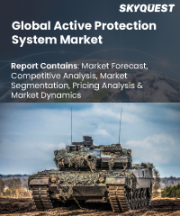
능동방호체계(APS) 시장 규모는 2024년에 45억 9,000만 달러로 평가되었으며, 2025년 50억 2,000만 달러에서 2033년까지 102억 2,000만 달러로 성장할 전망입니다. 예측 기간(2026-2033년) 동안 CAGR은 9.3%로 예측됩니다.
능동방호체계 시장은 국방 예산 증가, 기술 혁신, 첨단 보호 솔루션에 대한 수요 증가에 힘입어 괄목할 만한 성장세를 보이고 있습니다. 이 첨단 기술은 미사일, 발사체 등의 접근 위협을 탐지하고 무력화하여 군사 자산과 인원의 안전을 보장합니다. 군용 차량의 생존율 향상에 있어 그 효과는 전 세계 방위 기관으로부터 큰 관심을 받고 있습니다. 장갑차에 대한 수요 급증과 지정학적 긴장감이 고조되면서 국방력 강화를 위한 군사적 투자를 촉진하고 있습니다. 센서 기술, 인공지능 및 대응 수단의 개선은 시장 확대를 더욱 촉진하고 있습니다. 군대가 자산을 보호할 수 있는 혁신적인 방법을 모색하는 가운데, 장갑차 및 무인 차량을 포함한 다양한 플랫폼에 능동방호체계를 통합하는 것은 시장 성장을 가속화할 것으로 예상됩니다.
능동방호체계 시장 부문 분석
능동방호체계 시장 촉진요인
세계 능동방호체계(APS) 시장의 주요 촉진요인은 전 세계 군대의 방어 능력 강화에 대한 관심이 증가하고 있습니다. 지정학적 긴장이 고조되고 비대칭 전쟁이 증가함에 따라 각국은 장갑차 및 중요 자산에 대한 탁월한 보호 기능을 제공하는 첨단 기술에 투자해야 하는 상황에 처해 있습니다. APS는 대전차 유도 미사일, 로켓 추진 수류탄, 기타 투사체에 의한 위협을 감소시켜 전장에서 부대의 작전 효과를 유지할 수 있게 해줍니다. 또한, 기존 국방 시스템의 현대화 및 업그레이드에 대한 관심이 높아지면서 혁신적인 APS 솔루션에 대한 수요가 증가하고 있으며, 이는 결국 시장 성장을 촉진하고 있습니다.
능동방호체계 시장 억제요인
세계 능동방호체계 시장의 주요 제약요인 중 하나는 이러한 첨단 기술의 개발 및 도입에 따른 높은 비용입니다. 능동방호체계의 복잡성은 특히 개발도상국에서는 연구개발 및 통합에 많은 투자를 필요로 하며, 많은 국방 기관에 장벽이 될 수 있습니다. 또한, 엄격한 규제 프레임워크와 고도의 교육 및 유지보수의 필요성은 추가적인 비용 증가를 초래합니다. 이러한 재정적 부담은 특히 국방 예산이 한정된 국가에서 능동방호체계의 도입을 제한할 수 있으며, 이는 경쟁이 치열한 이 분야의 시장 성장과 기술 혁신을 저해할 수 있습니다.
능동방호체계 시장 동향
능동방호체계(APS) 시장에서는 전자전, 교란, 레이저 기술 등을 포함한 소프트 킬 시스템의 통합을 향한 뚜렷한 추세가 나타나고 있습니다. 이러한 첨단 솔루션은 무인항공기(UAV) 및 미사일과 같은 위협을 비파괴적인 방식으로 무력화할 수 있는 수단을 제공하며, 부수적인 피해를 최소화하고 인원을 보호하는 것을 우선시하는 강화된 방어 메커니즘에 대한 수요가 증가하고 있는 추세에 발맞춰 개발됐습니다. 소프트 킬 능력으로의 전환은 작전 효율성 향상뿐만 아니라 안전과 환경 영향에 대한 대중과 규제 당국의 우려에 대응하는 혁신적인 방어 전략에 대한 광범위한 강조를 반영하고 있습니다. 군사 및 국방 분야가 비살상적인 대안을 모색하는 가운데, APS 시장은 정교한 소프트 킬 기술을 도입하여 위협 대응 패러다임을 재정의하는 형태로 진화할 것으로 예상됩니다.
Active Protection System Market size was valued at USD 4.59 Billion in 2024 and is poised to grow from USD 5.02 Billion in 2025 to USD 10.22 Billion by 2033, growing at a CAGR of 9.3% during the forecast period (2026-2033).
The active protection system market is experiencing significant growth propelled by increased defense budgets, technological innovations, and a heightened demand for sophisticated protective solutions. This advanced technology safeguards military assets and personnel by detecting and neutralizing incoming threats like missiles and projectiles. Its effectiveness in enhancing the survival rates of military vehicles has garnered considerable interest from defense organizations globally. The surge in demand for armored military vehicles, along with rising geopolitical tensions, drives military investments aimed at fortifying defense capabilities. Enhancements in sensor technology, artificial intelligence, and countermeasures further stimulate market expansion. As military forces seek innovative ways to protect their assets, the integration of active protection systems into a variety of platforms, including armored and unmanned vehicles, is expected to accelerate market growth.
Top-down and bottom-up approaches were used to estimate and validate the size of the Active Protection System market and to estimate the size of various other dependent submarkets. The research methodology used to estimate the market size includes the following details: The key players in the market were identified through secondary research, and their market shares in the respective regions were determined through primary and secondary research. This entire procedure includes the study of the annual and financial reports of the top market players and extensive interviews for key insights from industry leaders such as CEOs, VPs, directors, and marketing executives. All percentage shares split, and breakdowns were determined using secondary sources and verified through Primary sources. All possible parameters that affect the markets covered in this research study have been accounted for, viewed in extensive detail, verified through primary research, and analyzed to get the final quantitative and qualitative data.
Active Protection System Market Segments Analysis
Global Active Protection System Market is segmented by Platform, Kill System Type, End User and region. Based on Platform, the market is segmented into Ground, Airborne and Marine. Based on Kill System Type, the market is segmented into Soft Kill System, Hard Kill System and Reactive Armor. Based on End User, the market is segmented into Defense andHomeland Security. Based on region, the market is segmented into North America, Europe, Asia Pacific, Latin America and Middle East & Africa.
Driver of the Active Protection System Market
A key market driver for the Global Active Protection System (APS) market is the increasing focus on enhancing defense capabilities among military forces worldwide. The rise in geopolitical tensions and asymmetric warfare has compelled nations to invest in advanced technologies that provide superior protection for armored vehicles and critical assets. APS helps to mitigate threats from anti-tank guided missiles, rocket-propelled grenades, and other projectiles, enabling forces to maintain operational effectiveness on the battlefield. Furthermore, the growing emphasis on modernization and upgrading existing defense systems is propelling demand for innovative APS solutions, ultimately driving market growth.
Restraints in the Active Protection System Market
One significant market restraint for the global active protection system market is the high cost associated with the development and implementation of these advanced technologies. The complexity of active protection systems requires substantial investment in research, development, and integration, which can be a barrier for many defense organizations, particularly in developing countries. Additionally, the stringent regulatory frameworks and the need for advanced training and maintenance further increase costs. This financial burden may limit the adoption of active protection systems, particularly for smaller defense budgets, ultimately hindering market growth and innovation in this competitive sector.
Market Trends of the Active Protection System Market
The Active Protection System (APS) market is experiencing a significant trend towards the integration of soft-kill systems, which encompass electronic warfare, jamming, and laser-based technologies. These advanced solutions provide non-destructive methods to neutralize threats, such as UAVs and missiles, aligning with the growing demand for enhanced defense mechanisms that prioritize minimizing collateral damage and protecting personnel. The shift towards soft-kill capabilities reflects a broader emphasis on innovative defense strategies that not only enhance operational effectiveness but also address public and regulatory concerns regarding safety and environmental impact. As military and defense sectors seek non-lethal alternatives, the APS market is expected to evolve, embracing sophisticated soft-kill technologies to redefine threat engagement paradigms.