



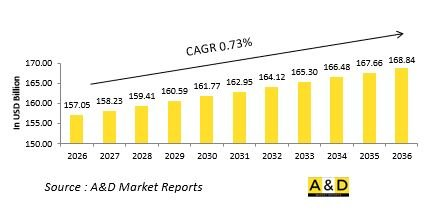
세계의 C5ISR 시장 규모는 2026년에 약 1,570억 5,000만 달러로 추정되고, 2036년까지 1,688억 4,000만 달러에 이를 것으로 예측되며, 2026-2036년의 예측 기간에 CAGR 0.73%의 성장이 전망됩니다.

세계 C5ISR 소개
C5ISR은 지휘-통제-통신-컴퓨터-정보-감시-정찰의 통합 프레임워크에 사이버 기능을 통합하여 기존의 지휘-정보체계를 확장합니다. 이를 통해 전자전, 사이버 공격, 네트워크 취약점으로 인한 새로운 위협에 대응하는 동시에 실시간 상황 인식을 유지합니다. C5ISR 시스템은 육-공-해-해-사이버 영역에 걸친 위협을 감시, 분석, 대응하고 정보와 작전지휘를 통합합니다. 이러한 시스템은 안전한 통신 네트워크, 위성, 첨단 센서, 데이터 분석을 활용하여 다지역 작전 조정과 전자적 방해에 대한 내성을 보장합니다. 사이버 기능의 추가는 시스템 무결성을 높이고, 예측적 위협 평가, 자율적 대응 메커니즘, 중요 인프라 보호를 실현합니다. C5ISR 플랫폼은 의사결정, 목표 우선순위 결정, 정규전력과 무인/자율 자산 간의 연계를 지원합니다. 국방 현대화 프로그램과 다자간 협력에서 C5ISR의 통합은 작전상 우위, 신속한 대응, 안전한 데이터 교환을 위해 우선순위를 두고 있습니다. 지정학적 긴장 고조, 비대칭적 위협, 디지털 전쟁의 복잡성 증가에도 불구하고 시장은 계속 성장하고 있습니다. C5ISR 시스템은 군사 전략의 핵심이 되고 있으며, 종합적인 통제, 사이버 보호, 정보 관리를 제공함으로써 현대 국방 환경에서 정밀성, 작전 준비태세, 전장 조정을 강화하고 있습니다.
세계 C5ISR에 미치는 기술의 영향
기술 발전은 사이버 방어, 정보 수집, 작전 지휘를 통합 시스템에 집결시킴으로써 C5ISR 능력에 큰 영향을 미치고 있습니다. AI와 머신러닝은 예측 분석, 위협 감지, 역동적인 전쟁 상황에서 의사결정을 최적화합니다. 첨단 센서, 다중 스펙트럼 이미징, 레이더 시스템은 전장의 가시성과 정보 정확도 향상에 기여합니다. 안전한 위성 통신과 강력한 암호화는 사이버 침입으로부터 보호하면서 끊김 없는 데이터 흐름을 보장합니다. 무인 항공기, 지상 플랫폼, 수중 플랫폼과의 통합은 정찰 및 감시 범위를 확장하고 실시간으로 실용적인 정보를 제공합니다. 작전 관리와 전자전 대책의 자동화는 인적 오류를 줄이고 작전 대응을 가속화합니다. HPC, 클라우드 분석, 소프트웨어 정의 아키텍처를 통해 시스템의 확장성, 적응성, 신속한 배포가 가능합니다. C5ISR에 내장된 사이버 보안 프레임워크는 중요한 네트워크를 전자적 공격으로부터 보호하고 운영 연속성을 유지합니다. 데이터 처리, 자율 대응, 네트워크 내결함성 등 기술 중심의 혁신은 효율성, 정확성, 생존성을 향상시켜 C5ISR 시스템을 현대의 다중 도메인 군사 작전에 필수적인 요소로 만들어 진화하는 위협에 대한 안전한 지휘, 지속적인 정보 수집, 전략적 우위를 보장합니다.
세계 C5ISR의 주요 촉진요인
여러 요인이 C5ISR 시스템의 세계 성장을 가속하고 있습니다. 사이버 전쟁, 전자 공격, 비대칭 위협 증가는 안전하고 통합된 지휘 및 정보 플랫폼을 필요로 합니다. 국방 현대화 프로그램과 네트워크화된 다영역 작전에 대한 투자는 정보, 통신, 사이버 방어 능력을 통합한 시스템에 대한 수요를 창출하고 있습니다. AI, 자동화, 예측 분석, 센서 네트워크의 기술 발전은 작전 효율성, 위협 감지, 실시간 의사결정을 향상시킵니다. 정규군, 무인 플랫폼, 자율 자산의 연계 조정의 필요성이 채택을 촉진하고 있습니다. 증가하는 지정학적 긴장, 영토 분쟁, 신속한 대응 능력의 필요성은 C5ISR 시스템의 전략적 중요성을 더욱 공고히 하고 있습니다. 공동 방위 프로그램, 국내 연구 전략, 기술 이전이 개발 및 배치를 가속화하고 있습니다. 현대 분쟁에서의 작전 경험은 상황 인식, 보안 통신, 정밀한 표적 지정을 지원하는 통합 시스템의 효과성을 강조하고 있습니다. 이러한 요인들로 인해 C5ISR은 복잡한 작전 환경에서 신뢰할 수 있는 지휘, 사이버 보호 및 실용적인 정보 제공을 보장하는 현대 군사 계획의 중요한 구성 요소로 자리매김하고 있습니다.
세계의 C5ISR 시장에 대해 조사 분석했으며, 시장에 영향을 미치는 기술, 향후 10년간의 예측, 지역별 동향 등의 정보를 전해드립니다.
기기별
지역별
최종사용자별
북미
성장 촉진요인, 억제요인, 과제
PEST
주요 기업
공급업체 Tier 상황
기업 벤치마킹
유럽
중동
아시아태평양
남미
미국
방위 프로그램
최신 뉴스
특허
이 시장에서의 현재 기술 성숙도
캐나다
이탈리아
프랑스
독일
네덜란드
벨기에
스페인
스웨덴
그리스
호주
남아프리카공화국
인도
중국
러시아
한국
일본
말레이시아
싱가포르
브라질
The Global C5ISR market is estimated at USD 157.05 billion in 2026, projected to grow to USD 168.84 billion by 2036 at a Compound Annual Growth Rate (CAGR) of 0.73% over the forecast period 2026-2036.
Introduction to Global C5ISR
C5ISR extends traditional command and intelligence systems by incorporating cyber capabilities into the integrated framework of command, control, communications, computers, intelligence, surveillance, and reconnaissance. This addition addresses emerging threats from electronic warfare, cyber attacks, and network vulnerabilities while maintaining real-time situational awareness. C5ISR systems allow armed forces to monitor, analyze, and respond to threats across land, air, sea, and cyber domains, integrating intelligence with operational command. These systems leverage secure communication networks, satellites, advanced sensors, and data analytics to coordinate multi-domain missions and ensure resilience under electronic interference. The addition of cyber functionalities enhances system integrity, enabling predictive threat assessment, autonomous response mechanisms, and protection of critical infrastructure. C5ISR platforms support decision-making, target prioritization, and coordination between conventional forces and unmanned or autonomous assets. Defense modernization programs and multi-national collaborations prioritize C5ISR integration for operational superiority, rapid response, and secure data exchange. Rising geopolitical tensions, asymmetric threats, and the increasing complexity of digital warfare drive market growth. C5ISR systems are becoming central to military strategy, providing comprehensive control, cyber protection, and intelligence management that enhances precision, operational readiness, and battlefield coordination across contemporary defense environments.
Technology Impact in Global C5ISR
Technological advancements significantly influence C5ISR capabilities by combining cyber defense, intelligence gathering, and operational command into unified systems. Artificial intelligence and machine learning optimize predictive analytics, threat detection, and decision-making in dynamic combat scenarios. Advanced sensors, multi-spectral imaging, and radar systems enhance battlefield visibility and intelligence accuracy. Secure satellite communications and robust encryption ensure uninterrupted data flow while protecting against cyber intrusions. Integration with unmanned aerial, ground, and underwater platforms expands reconnaissance and surveillance reach, providing actionable intelligence in real-time. Automation in mission management and electronic warfare countermeasures reduces human error and accelerates operational response. High-performance computing, cloud analytics, and software-defined architectures allow system scalability, adaptability, and rapid deployment. Cybersecurity frameworks embedded within C5ISR protect critical networks from electronic attacks and maintain operational continuity. Technology-driven innovations in data processing, autonomous response, and network resilience increase efficiency, precision, and survivability, making C5ISR systems essential for modern multi-domain military operations, ensuring secure command, continuous intelligence, and strategic advantage against evolving threats.
Key Drivers in Global C5ISR
Several factors propel the growth of C5ISR systems globally. The increasing prevalence of cyber warfare, electronic attacks, and asymmetric threats necessitates secure, integrated command and intelligence platforms. Defense modernization programs and investments in networked multi-domain operations create demand for systems that combine intelligence, communication, and cyber defense capabilities. Technological advancements in artificial intelligence, automation, predictive analytics, and sensor networks enhance operational efficiency, threat detection, and real-time decision-making. The need to coordinate conventional forces, unmanned platforms, and autonomous assets drives adoption. Rising geopolitical tensions, territorial disputes, and the need for rapid-response capabilities reinforce the strategic importance of C5ISR systems. Collaborative defense programs, domestic research initiatives, and technology transfers accelerate development and deployment. Operational experience from modern conflicts highlights the effectiveness of integrated systems in supporting situational awareness, secure communication, and precision targeting. Together, these factors establish C5ISR as a critical component of contemporary military planning, ensuring reliable command, cyber protection, and actionable intelligence in complex operational environments.
Regional Trends in Global C5ISR
C5ISR adoption varies across regions according to technological infrastructure, strategic priorities, and threat perception. North America emphasizes highly advanced cyber-integrated command systems for multi-domain operations, supported by research-intensive industrial ecosystems. Europe prioritizes interoperability, joint programs, and modular designs that balance operational capabilities with budgetary efficiency. Asia-Pacific growth is driven by territorial tensions, defense modernization, and indigenous development of secure cyber-integrated command networks. Middle Eastern nations focus on intelligence-driven defense, secure communication, and tactical C5ISR systems for border and maritime protection. African and South American countries implement cost-effective solutions to improve situational awareness, intelligence management, and cyber resilience in regional operations. Across all regions, trends include integration with unmanned platforms, real-time analytics, and enhanced cybersecurity to maintain operational readiness. Exercises, fleet modernization, and multi-national collaborations influence system capabilities and procurement strategies. Regional variations in defense spending, technology adoption, and threat perception shape deployment priorities, reflecting the increasing importance of C5ISR systems in global security planning and modern multi-domain warfare.
General Dynamics Information Technology, a subsidiary of General Dynamics, announced that it has been awarded the Ship and Air Command, Control, Communications, Computers, Combat, Intelligence, Surveillance, and Reconnaissance Systems Support contract to support the continued modernization of the U.S. Navy fleet. The contract, valued at $988 million and awarded in December, includes a one-year base period, four additional one-year option periods, and a six-month extension option. Through this agreement, GDIT will modernize, integrate, and sustain C5ISR capabilities to improve the readiness and operational performance of naval forces. The scope of work includes providing engineering, systems integration, procurement, logistics, and installation services across all classes of surface combatants, such as guided missile vessels and aircraft carriers, as well as Coast Guard platforms, manned and unmanned aircraft, and shore-based facilities. These upgrades will ensure existing naval assets remain mission-ready while supporting uninterrupted operational continuity.
Table of Contents
By Equipment
By Region
By End User
The 10-year C5ISR Market analysis would give a detailed overview of C5ISR Market growth, changing dynamics, technology adoption overviews and the overall market attractiveness is covered in this chapter.
This segment covers the top 10 technologies that is expected to impact this market and the possible implications these technologies would have on the overall market.
The 10-year C5ISR Market forecast of this market is covered in detailed across the segments which are mentioned above.
The regional C5ISR Market trends, drivers, restraints and Challenges of this market, the Political, Economic, Social and Technology aspects are covered in this segment. The market forecast and scenario analysis across regions are also covered in detailed in this segment. The last part of the regional analysis includes profiling of the key companies, supplier landscape and company benchmarking. The current market size is estimated based on the normal scenario.
North America
Drivers, Restraints and Challenges
PEST
Key Companies
Supplier Tier Landscape
Company Benchmarking
Europe
Middle East
APAC
South America
This chapter deals with the key defense programs in this market, it also covers the latest news and patents which have been filed in this market. Country level 10 year market forecast and scenario analysis are also covered in this chapter.
US
Defense Programs
Latest News
Patents
Current levels of technology maturation in this market
Canada
Italy
France
Germany
Netherlands
Belgium
Spain
Sweden
Greece
Australia
South Africa
India
China
Russia
South Korea
Japan
Malaysia
Singapore
Brazil
The opportunity matrix helps the readers understand the high opportunity segments in this market.
Hear from our experts their opinion of the possible analysis for this market.